
Myanmar’s Forgotten War – Will it Ever End?

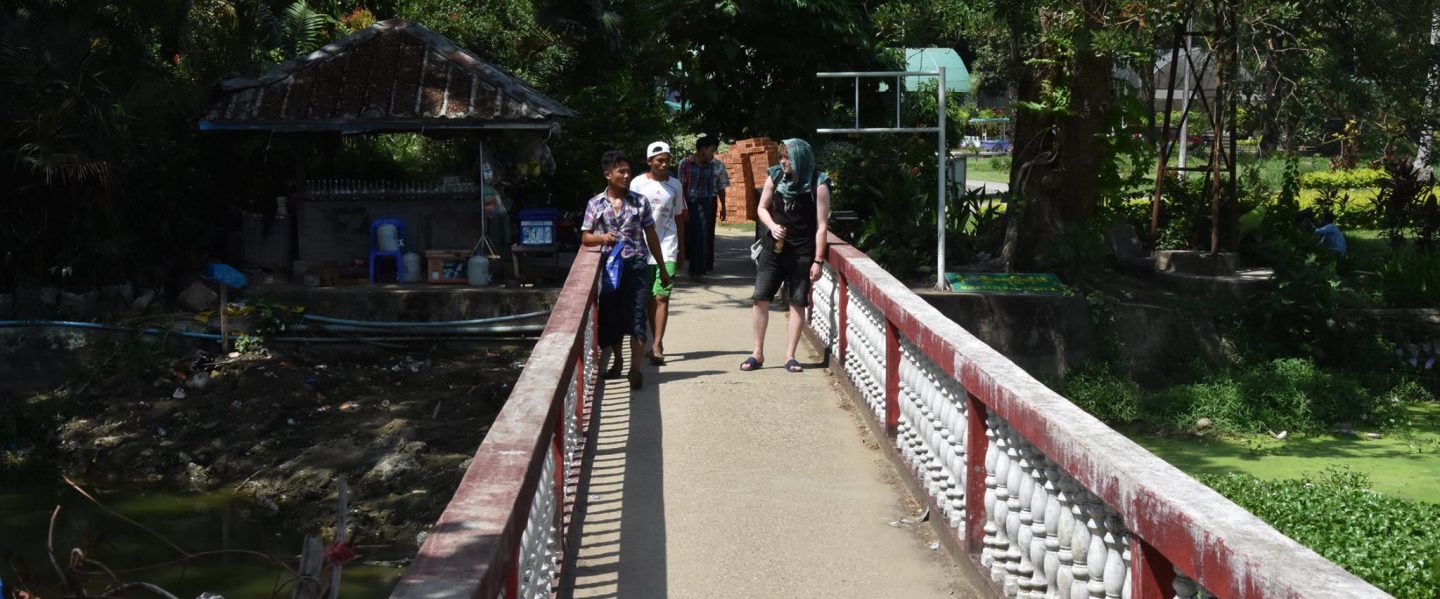
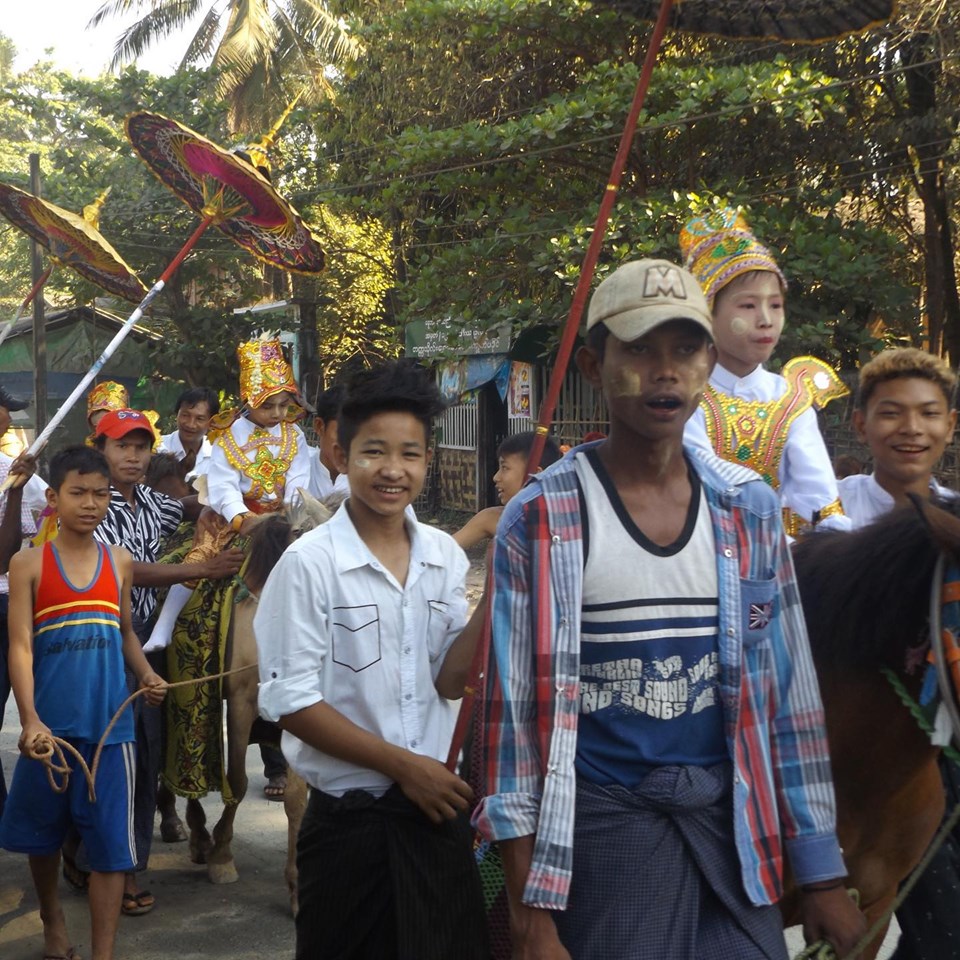
It’s been a war waging for over 70 years. It’s been a problem that has perpetuated for such a long period of time that it looks impossible to solve. And yet it could be. Within Myanmar, the various power players seek to address the impossible. Knowing that whoever solves it, receives an unimaginable amount of credit. That credit and recognition would help decide the winners and losers of the hearts of a peoples that for so long have wanted peace. Peace protests have become a normal sight for me on my travels to Myanmar. Ceasefire after ceasefire, new arrangements after new arrangements. But the reality in the problem, is the problem solvers themselves. The relationships between the military, the government, and the ethnic armed organizations (EAOs) have a long history of distrust, human rights violations, and grievances. How can you problem solve, when the other side in negotiations is a long time enemy and one that has continuously perpetuated human rights violations and atrocities against one’s own. Finding the common ground seems always to be the key to building a positive relationship, finding this common ground for the players in Myanmar’s game seems to be an insurmountable challenge. Made forever more insurmountable because every player is out to win. Which I guess would be the most simplistic and understandable aim when waging war. Compromises after compromises, how much ground to give away, and how much to keep. Focusing on the common ground is always the right step forward. For one ethnic group does not suffer alone, far better it would be for neither group to suffer and instead to build a lasting peace. Very idealistic I know. But in terms of repairing damaged relationships between ethnic armed organisations and the central government, there needs to be a marriage counsellor. One organisation with the right connotations that can play the leading part and facilitate negotiations. Impartial of course, but with the predominant role. The marriage counsellor (the organisation) doesn’t need to be the one to take the credit, we all know how secret the process of negotiations are. A lot can be achieved behind closed doors, saving face for the players involved. But that requires already a major concession on the government’s part, and its not that third party mediators are not already involved in the observation group. But the third party that both of the main actors can trust, needs to be in the leadership seat. Of course I could also be wrong about my perspective. But I guess that’s what we all face when pushing ideas out there. And why not trust yourself enough to push out ideas. Is there a magic formula? There has to be one out there somewhere, we probably just haven’t found it. For every human problem there is a human solution. If we can create problems, we can solve them. This problem really needs one hell of a focus, backed by the international community, because the people of Myanmar deserve it. They deserve their peace, they haven’t had it for over 70 years. They are the most deserving of it. The most compassionate people you’ll ever meet, abandoned by their leaders, and forgotten by the world. The world works through reciprocal action, if leaders abandon their people, their people will abandon their leaders. If the world forgets a peoples, suffering through genocide and mass atrocities, that same world that forgot those peoples, will in turn be forgotten. “Injustice anywhere is a threat to justice everywhere – Martin Luther King.” For there is little chances of peace, without justice, for justice has the power to heal old wounds and move communities forward towards a future together.
Geneva, City of Peace

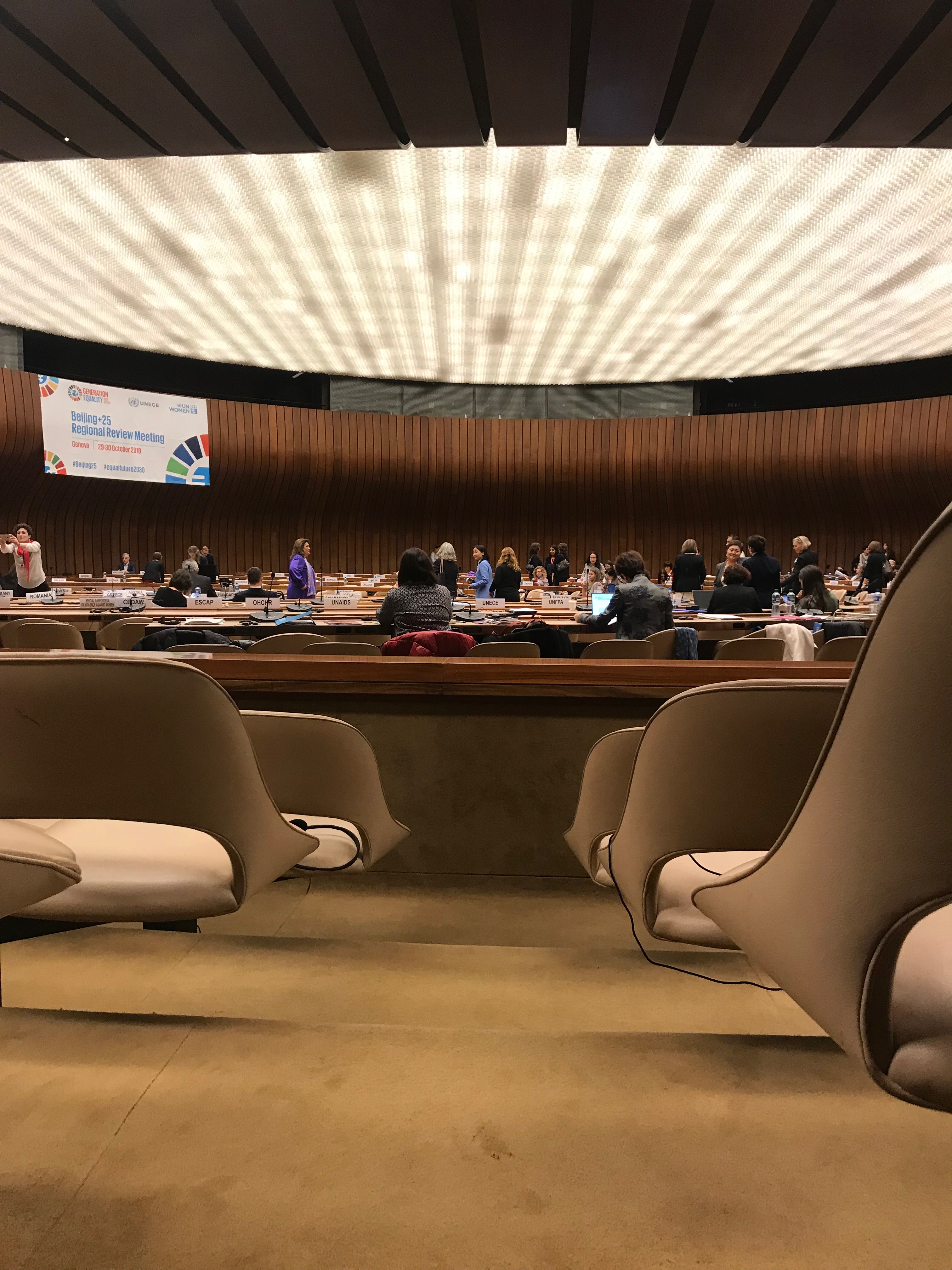
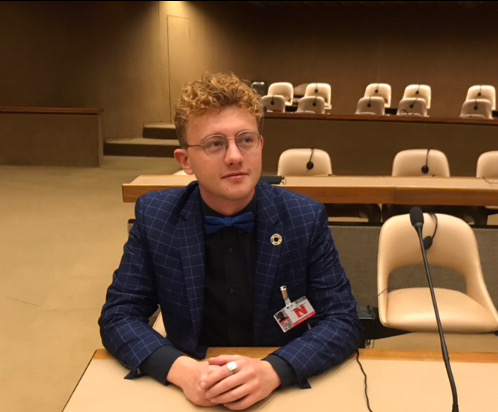
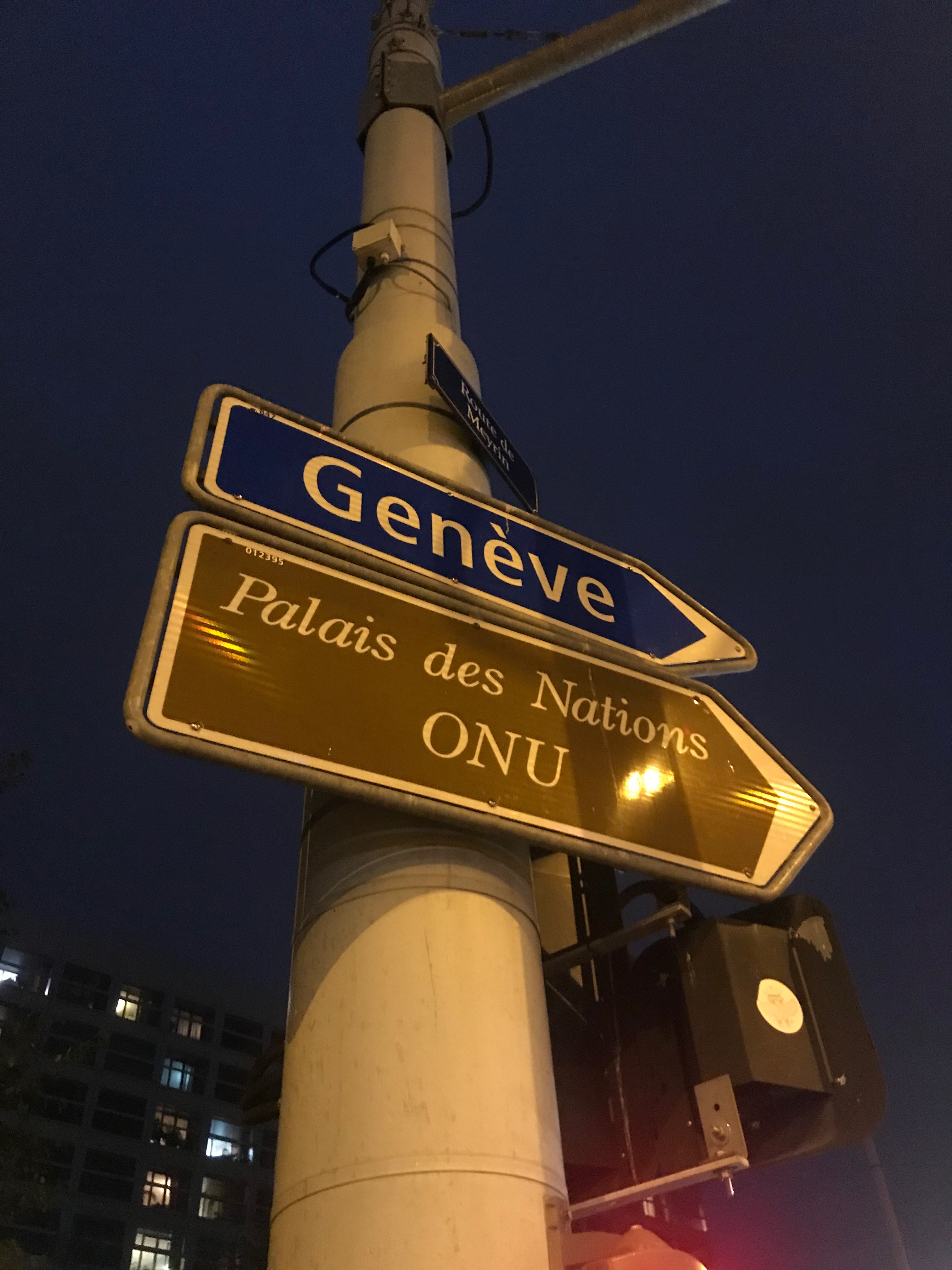
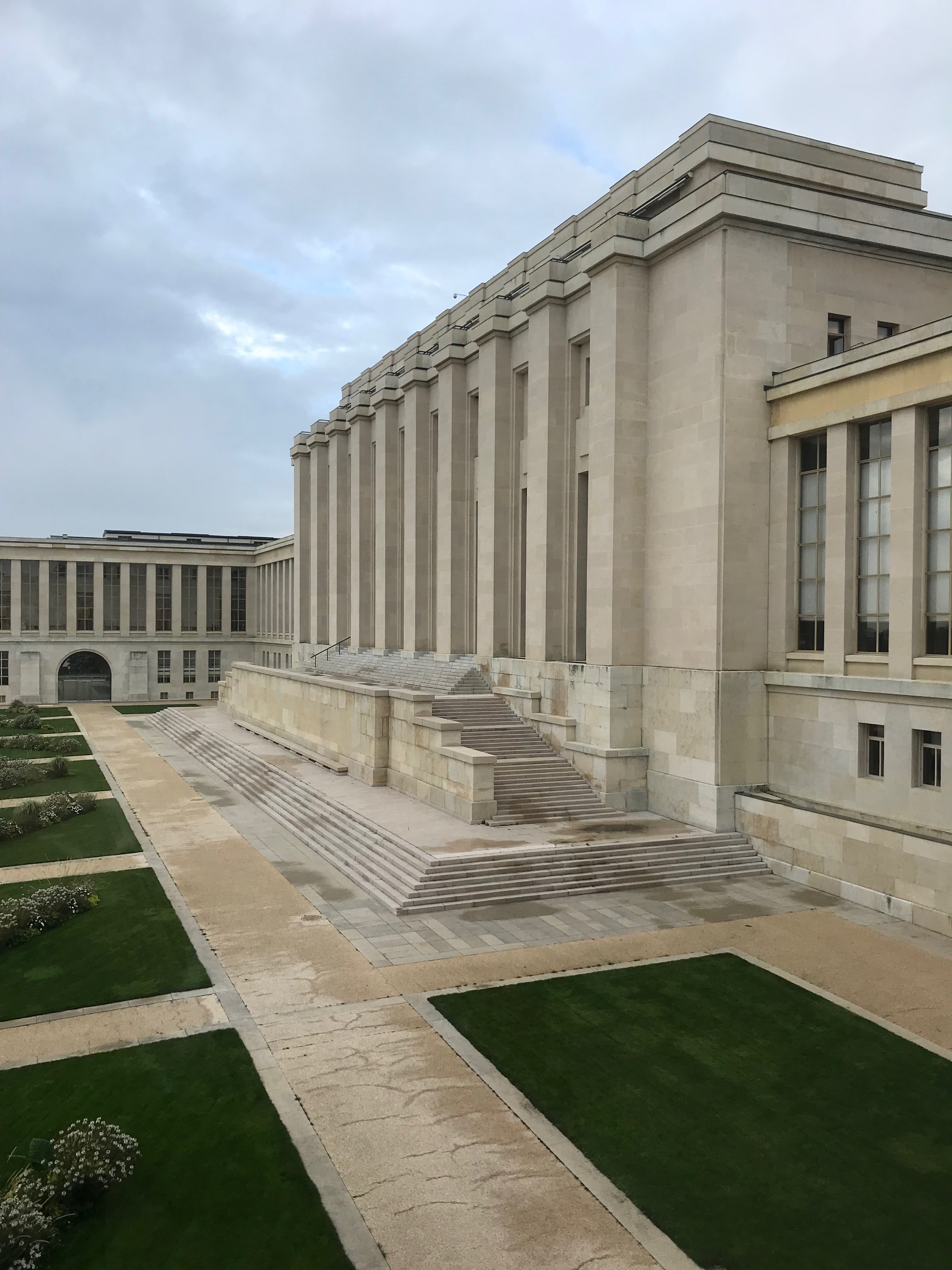
I’ve always been eager to visit the UN Office in Geneva. The former League of Nations building; Palais de Nations! And just two weeks ago, I was lucky enough to have the opportunity. The excitement, the adrenaline, it kicks in when I’m working towards the dream. Like all the wind in the world is behind me, propelling me forward. It’s a beautiful city, I would recommend it. It has a nice pace of life to it. Trams, lakes, parks. Mountains peering over the horizon, it’s like its own small world. I can’t comment on the nightlife, I was busy working for all three nights I was there. For there is always little sleep when excitement peaks. I attended the Beijing +25 Regional Review Meeting. There was over 800 participants, 47 government delegations, and countless NGOs and civil society organisations. The Review meeting regarded progress on gender equality, and ending discrimination against women and girls, and then committing to further efforts. There was an optimistic energy in the air, the sort of energy you get when you realise everything is possible, and anything is achievable. Between attending the main events and side events, and networking, I went for a walk around the park. The peacocks are pretty cool, but the Palace. Wow! The palace is pretty. I don’t think I’ve been more in love with a building, and I really like the UN headquarters in NYC. These are the buildings where citizens from around the world can share their diverse perspectives to problem solve. That’s why there’s a magic to them. They’re humanity’s hopeful bastions. The secretariat, external consultants, and civil society members gathered at the bastions are the firefighters to the flames of war, poverty, and suffering. Anyway, what’s really nice is how inspiring these events are, they need to be encouraged. Now I have my own project that came out of the meeting in Geneva, but those details will be for a future blog post, but what I will say is I’m working with some very inspirational women on a big gender equality issue. We all have a duty, of whatever sex, to stand by one another. The only way we can live in a society where individuals are treated with dignity is to fight for the dignity of others. When one, or a group is treated without dignity, we are establishing the precedent that we too can be treated in the same manner. As we are all human beings then, the best course is to treat all with dignity, that’s how we ensure it for ourselves. To be involved in a campaign that works on advancing gender equality really is eye opening. But then being able to see the perspectives and injustices of others is the only way we can live in a world without injustice. It doesn’t take much. All we need to do, is listen.

Remembering Rakhine

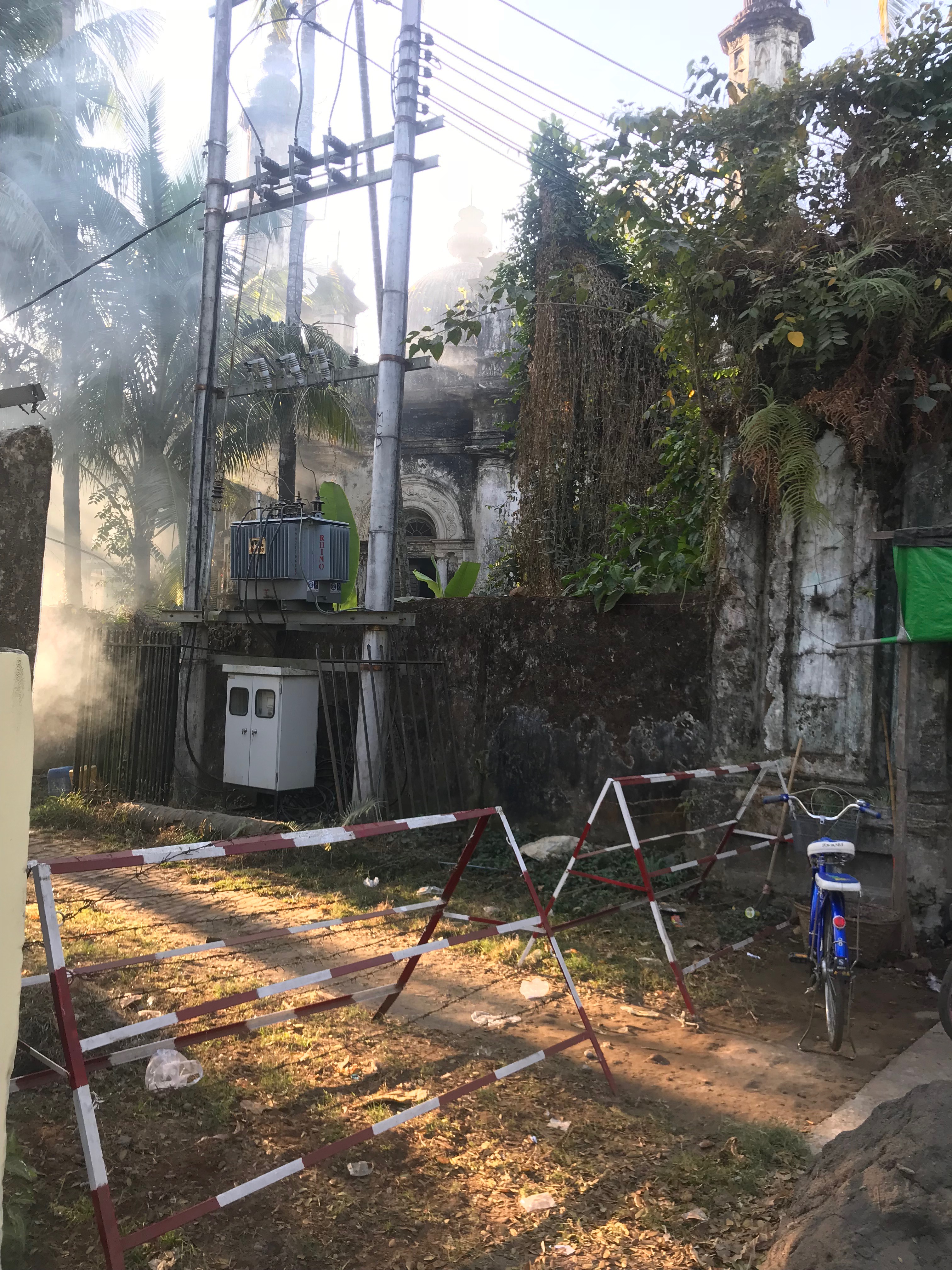
Of my five trips to Myanmar, formerly known as Burma, I’ve been lucky enough to visit the infamous Rakhine State. It’s infamous because it is rife with troubles, genocide being the most visible trouble that has hurt its people dearly. What has happened in Rakhine has created global headlines in recent years, and the violence unfortunately hasn’t transformed into peace. The first time I visited I took a bus to Mrauk-U. Mrauk-U has a rich historical and cultural appeal, the old pagodas offer a glimpse into the old kingdom of Mrauk-U. But for me personally, it was far more interesting because it attracted very few tourists, and had only recently become a place for tourists to visit. Further still, it was situated in Rakhine State, and I was curious. Curious about the situation for the world’s most persecuted minority; the Rohingya. Rakhine, or Arakan State is the home of the Rohingya, although it’s a sorry state for a home. The Rohingya are regarded as stateless, they have no official citizenship, they are restricted from travel, voting, and even living. It has become a crime over recent decades to be born a member of this group in Myanmar. When I visited the archeological site in Mrauk U, across the paddy fields, and past the rolling hills on the horizon, I just remember smoke. I cannot say for certain what the smoke was, it could have been a deliberate fire to keep snakes and jungle critters away from crops, or it could have been something worse. Something that we know has happened in Rakhine. The Tatmadaw (Myanmar’s military) have burned down entire villages, raped women and girls, and put to slaughter innocent human beings just because their differences could be exploited to serve as a scapegoat for problems within the country. I’ll never know what it was that I saw, I hope it was just a farming technique, but I can’t ever escape from the possibility it wasn’t. That was in early 2017, and against, perhaps, my better judgement I decided to go further into Rakhine at the beginning of this year. The British Foreign Office Travel Advice recommended against all travel to Rakhine, there was now intense fighting between the Tatmadaw and an ethnic armed organisation; The Arakan Army. But I went anyway, I wanted to understand things properly, without the bias of the media, and a narrative that distorts truth. It was a long 24 hours on a bus to get there, frequent stops before we arrived at Rakhine’s capital city, Sittwe, offered a nice chance for me to compose my thoughts with a leaf wrapped cheroot cigar. It cleared my mind, I have taken risks abroad but not like this before. Not to a city surrounded by war, and entrenched in communal violence that has made international headlines. People ask me why I’ve taken risks like that, it’s not really a choice, for when is love ever really a choice. I feel like I have a sincere debt to Myanmar and its people, for the hospitality they’ve shown me throughout my travels. They’ve given me a reason to hope about the world, that they can suffer greatly, and yet still find meaning in this world to pursue, carrying on with the brightest of smiles. I hope I can work for them one day, as an international civil servant in the United Nations. When I finally arrived in Sittwe, 24 hours after setting off from Yangon, there was an uneasy tension. The people were carrying on with their daily lives, but you could never forget where you were, I’ve never seen so many soldiers. There I was, wondering around alone on the streets viewing the most fragile peace I’ve ever experienced in my life. Anything could break out at a moment’s notice, and I was actively searching up the regional headlines, seeing where the recent skirmishes had been reported. Along the main street was Sittwe’s main mosque, it was decaying. No one was allowed inside, road blocks and armed police guarded the mosque, and this had been the way for a while. Most of the Rohingya were already gone, ‘sheltered’ in a refugee camp in Bangladesh. While some remain, their situation remains fragile, anything could still happen, and the government still continues to be heartless. Which upon looking at the governments of the world seems to be endemic. It was impossible not to feel how powerless the compassionate were, at this moment in time, love is in ruins. I was out of Sittwe after only two days, best not to tempt fate. I was very lucky, there was a skirmish on the Yangon-Sittwe highway two days after my bus made the trip back to Yangon. Landmines went off on the same route within the space of two weeks after I left. I was lucky. What’s striking is that I was always met with the same compassion that I’d known all around Myanmar, it’s just a shame not all peoples are welcomed with it. I sincerely hope, that while some of the religious sites of the persecuted minorities in Myanmar are restricted, that they can still find their god, and their god will show them the love and the mercy they deserve, because they won’t get it from the government.

Withholding Judgment

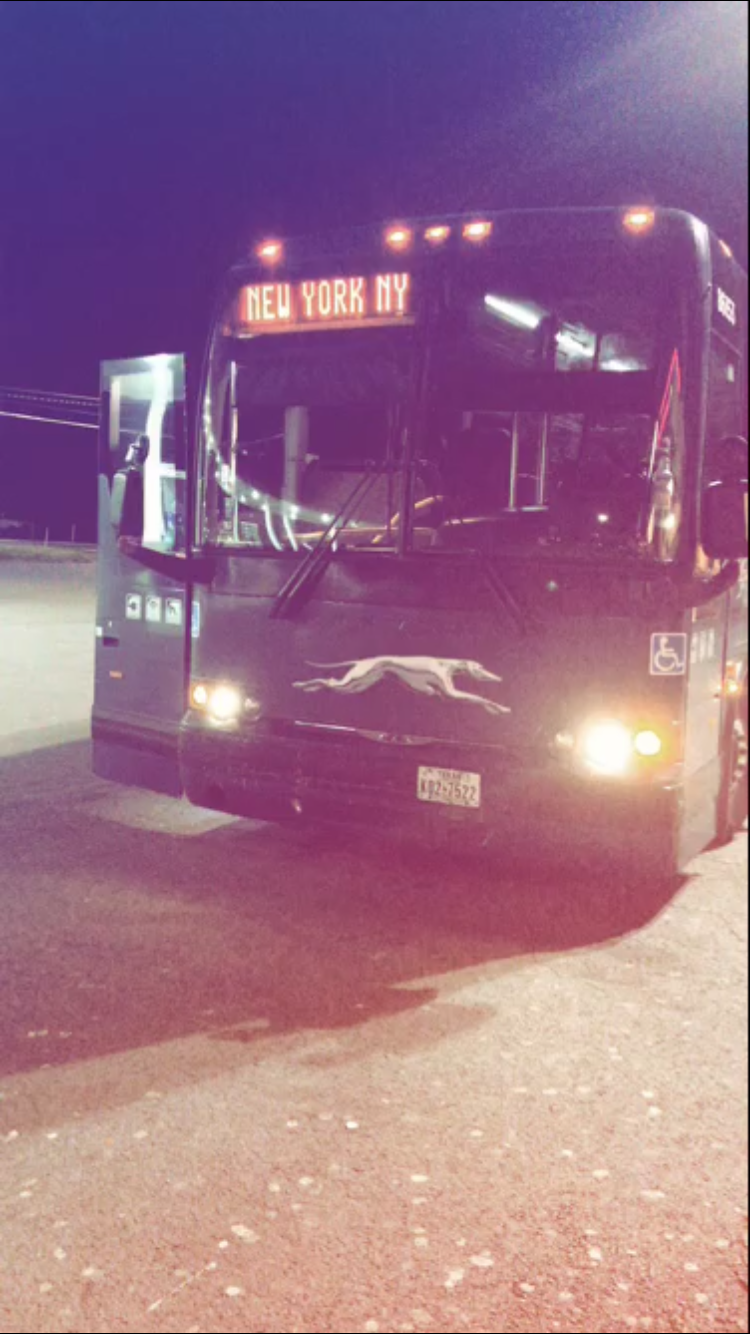
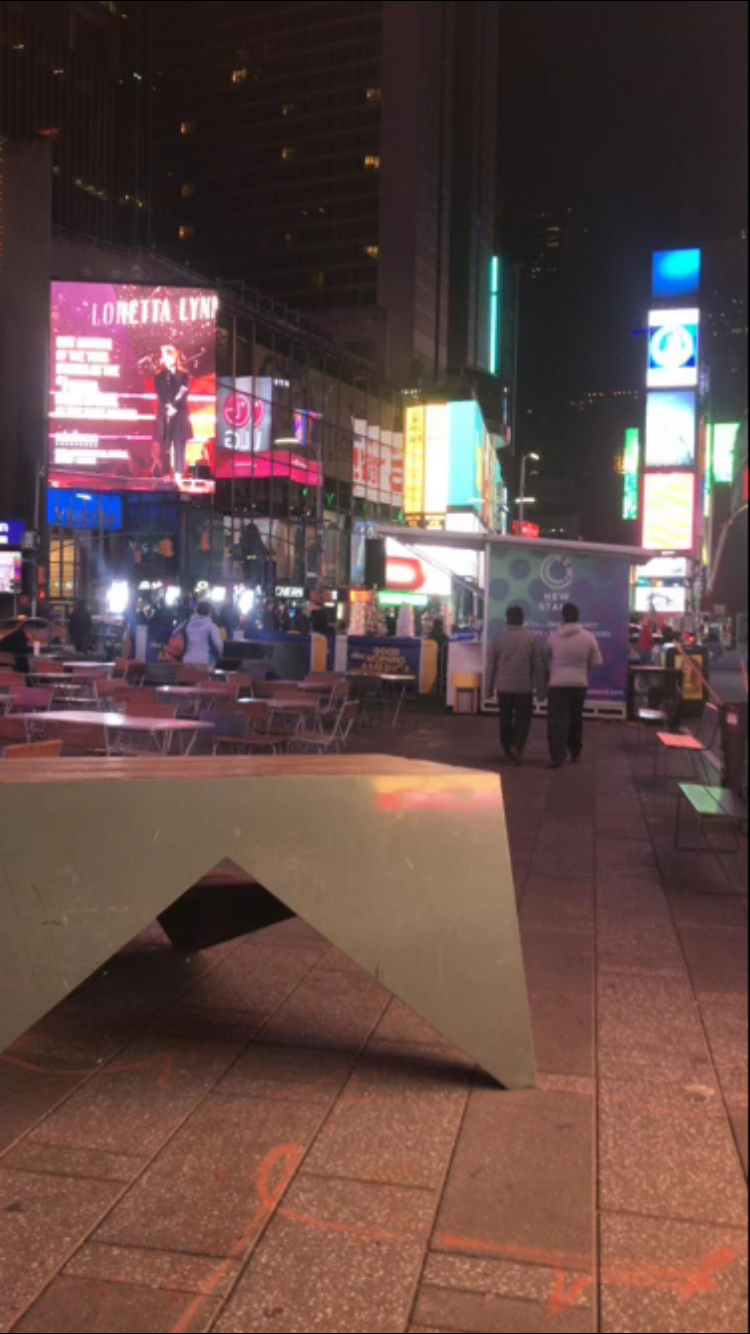
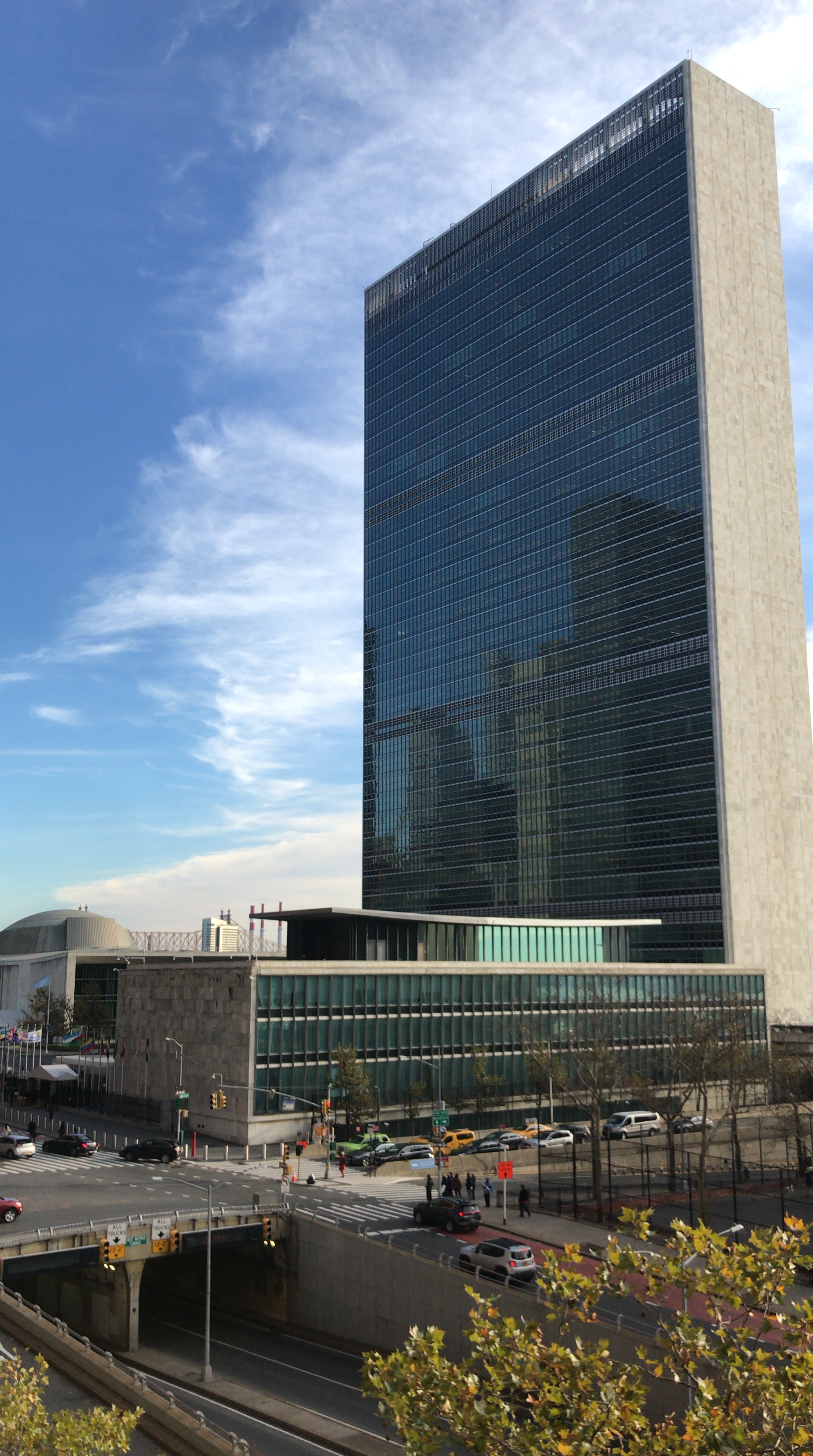
My suit was folded and packed, my bus tickets was purchased. It was early November in Ontario, Canada; my home for a year as an exchange student at the University of Western Ontario, but I was leaving for a couple of days, in hot pursuit of my life long dream. The quiet Canadian suburbs were to be switched for the high intensity energy that only the Big Apple can provide for an individual. I was going to the United Nations. It’s an organisation whose values shine a light in an ever darker world. For me it had always been simple, human beings are human beings: the variations of skin colour, accents, nationalities, are all a call for a celebration of our species’ diversity. And what a cause of a celebration it is, when we take a moment to realise that we are human beings, the inheritors of the earth, what an honour! Unfortunately, there are those who use our diverse characteristics as reasons to divide us. The media, governments, and public officials categorise us into groups and spin whole groups of peoples into stereotypes, splitting apart the human family. It’s a process of divide and rule that has no end of consequences. I’d like to use the wise words of a former United Nations Secretary General from Myanmar (Burma) whose efforts averted the Cuban Missile Crisis and brought the world back from the edge of a nuclear war; U Thant. U Thant said, “The worth of the individual human being is the most unique and precious of all our assets and must be the beginning and end of all our efforts.  Governments, systems, ideologies and institutions come and go, but humanity remains.” For how many individuals, whose character and passions could have blessed the lives of others but have instead been written off because of scapegoating, or denied because they were not lucky enough to have been born in another place, away from the troubles of hate and war. That’s where I’ve been lucky, to see past the characteristics that some penalise and judge without an ounce of compassion, and without any attempt to understand. It’s a trait that spared me from bad intent on this journey. The bus from Toronto to New York City ran from the early evening and reached the Big Apple at about 2am in the early hours of the morning, but it was during that trip where I met a good Samaritan. He was clearly intoxicated, high on a drug that made his presence uncomfortable to others on the bus. Our coach made a stop at a gas station in Buffalo before the last leg to NYC, and he was trying to use the milkshake machine but struggled to get it to work properly. He asked if I could help him, and so I went over and tried to assist. The struggle was real, it was complicated but we figured it all out and he got his milkshake, we chatted and got back on the bus before it departed. On arrival at the terminal in NYC, I was overwhelmed with excitement, there’s something magical about the United Nations to me, it’s the best hope we have to solve our problems which stretch across national borders, and that therefore renders nation states’ ability to solve those problems as impossible, because states have no jurisdiction outside of their own territory. Anyway, in my excitement I would have wondered off alone into the quiet streets of Manhattan just to reach the UN Headquarters and gaze at it for a time, thinking about the problems I’ve seen in countries across the world that have burdened my heart, and how a stronger United Nations, supported by its member states would be able to build that ideal world that many of us dream about every day. Where peace is always prominent, and harmony exists between faiths, communities, and societies. A world where dreams are to be followed, and the importance of the individual is respected. Where love does not stop at national borders, but is itself the foundation of an international society, where nuclear weapons don’t exist, and soldiers don’t go to war. It’s a good dream. But my anticipation to not only think but feel this world by being at an arm’s length from the UNHQ would have led to me getting mugged on the streets, or worse stabbed, unable to dream no more. If it were not for the man I met at the gas station, whose presence at times uneased me, but whom I still trusted, for I knew he was just making his way in this life too. He said we should go get some food, and head to McDonald’s. Getting to the UN was my priority, even just to gaze. And there is seldom something comforting about talking to a stranger who was clearly in a very bad way, swaying back and forth, and stumbling over every word. But I tried my best to withhold judgment, to trust this man, and try and see his perspective and hear about his life. For is this not one of the issues, that the compassion of the United Nations and its staff seek to address, so that everyone can one day find a reality where they’re respected, and treated with basic human dignity. My aspirations for my future career led me to accept and we left the terminal together, towards the distant golden M. But we weren’t alone for long. There was another, draped in baggy clothes, with a hood covering all of his face but the chin. It was clear he was on his mission to mug us. Then out of the man’s pocket beside me came a small flick knife and a shout that disturbed the quiet of the night. A short confrontation ensued, something that I hate dearly with a passion in this world, but the action of my acquaintance was quick, and necessary, for we are not yet living in an ideal world. The threat of the flick knife, coupled with the shout was enough. The one that followed, followed no more, and we were left alone to get to McDonalds, buy a burger, before wishing each other well on our journeys. He wished me the best of luck for my event today at the United Nations. And in my backpack, I still had my suit, ready for the event. It’s impossible to know what could have happened, if everything didn’t happen as it did, but I’m certain, if I did not meet the man by the milkshake machine, I wouldn’t have made it to the event, which is another post to write up, but I would have likely been mugged or worse. Forever, I have been lucky to get by on my travels, and to find help in the most unlikely of circumstances, like there’s a perfect harmony to the world, where every dangerous situation is met by an act of compassion.