Young Activists Summit 2019 – UN Office at Geneva.

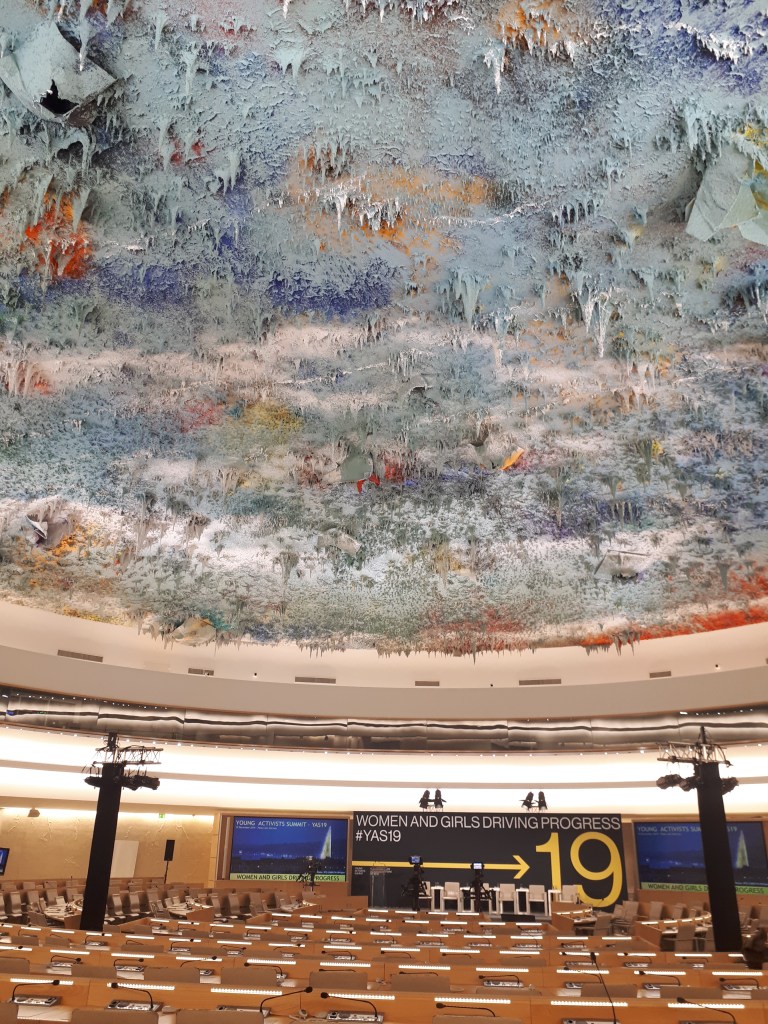
The Young Activists Summit in The Human Rights and Alliance of Civilisations Room at the United Nations Office in Geneva. Happy Human Rights Day too! 10th December

On the 10th of December I was lucky enough to get back to the United Nations Office in Geneva for the Young Activists Summit. It was the first Young Activists Summit and its first year started with an inspiring panel of changemakers. I think we’ve all been there, wanting to make a difference, a notable one. Is there really anything more valuable than to fight for a cause that benefits others. I guess that depends on whether you consider benefiting others a valuable pursuit, when you could always benefit yourself. But then what are you left with? An empty achievement that can only be shared by oneself. I think the human race needs a talk. A serious talk about economics and evolving our livelihoods around the 9-5s. Does it make us happy? Not according to the research on anxiety and depression, which are higher in the West. The simple truth is there’s nothing that comes close to living for love. It is the purest emotion that human beings are capable of, and nothing should be placed above it. The six activists on the panel today had a clear love and devotion for their causes. That’s what makes their passions so pure. Whatever their hurdles, whether it was rape or imprisonment, their love grew ad grew and they became at one with what they were fighting for. To attach yourself to a cause that gets your every piece of mind sounds like a remarkable achievement in itself. We all have value to bring, but knowing exactly what that value is, that’s where it gets tricky and we don’t know what we can bring to the table. One of the first things you should look to identify is what positive effect do you have on others. It’s a useful starting point, if you help those around you instill confidence than that can highlight your character’s ability for leadership for etc. There’s so many ways we can benefit one another, and just imagine the world we could live in if everyone lived to benefit one another. The world would be so pure. A world where there was no malice or bad intentions towards one another. Impossible says many, it’s human nature. I disagree, I can give you loads of examples of human beings who are non-violent, they worked on themselves, and they found a purer way to live, using love and compassion as their compasses, not hate and anger. Dare to dream, as these activists did, and their struggles and achievements shall be documented below.

Nadia Murad, 26 Years Old, Nobel Peace Prize Winner 2018, Iraq
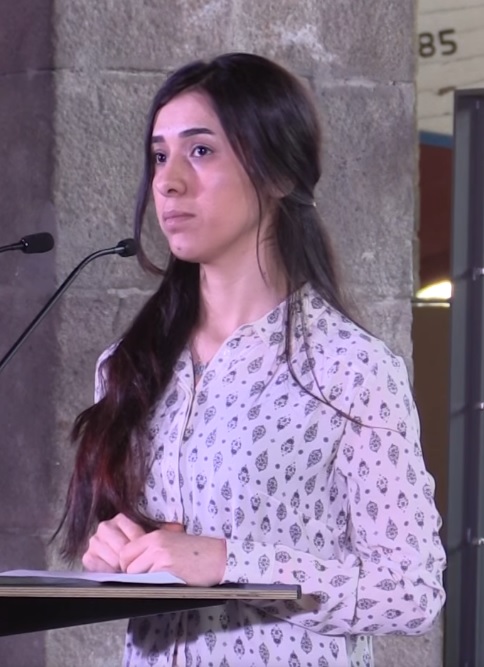
Nadia Murad was 21 at the time when ISIS abducted, raped and enslaved her among thousands other Yazidi women. Fortunately, she managed to escape and she told her story to the world, leading a campaign to draw the attention of governments to the plight of Yazidi women. She’s never stopped fighting. She was the shared co-recipient of the 2018 Nobel Peace Prize with Dr Denis Mukwege Mukengere, and has received numerous other awards recognising her work to benefit humanity and particularly those that have suffered from genocide and gender based violence. You can learn more about this incredible woman and her initiative here.

Amy & Ella Meek, 14 & 16 Years Old, United Kingdom

These two sisters are the founders of “Kids Against Plastic” a social campaign for young people that tackles plastic pollution. They’ve already inspired youth action that has seen 70,000 pieces of single-use plastic removed, and they’re aiming for 100,000. The two sisters mainly work with schools and businesses to promote sustainability, and are pursuing their “Plastic Clever Programme.” More than 50 cafes and restaurants and more than 470 schools have already joined this programme! It’s incredible how two young girls can make such a huge difference to the world. There’s so many problems out there to tackle, take your pick and find a new angle. More about Kids Against Plastic can be seen here.

Memory Banda, 23 Years Old, Malawi
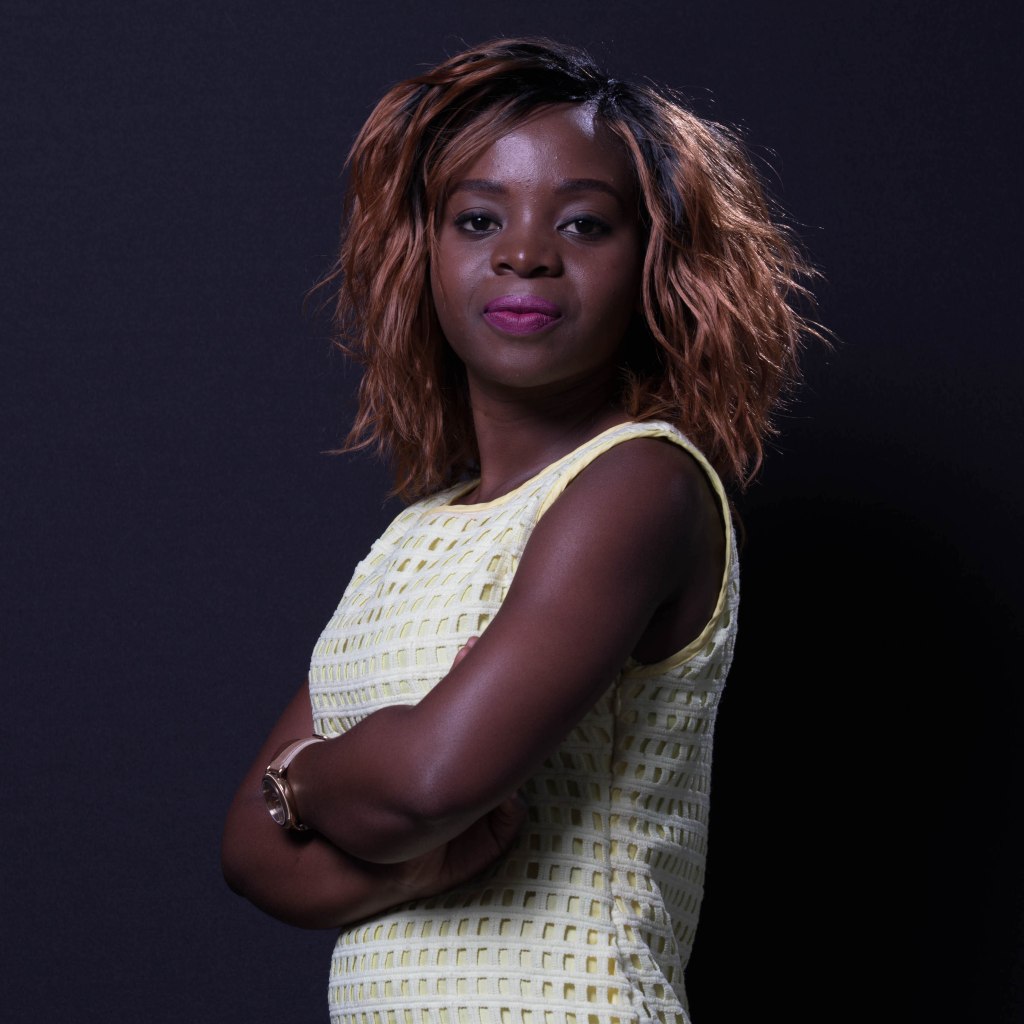
Memory Banda has gained the international community’s attention for her work fighting to end early and forced child marriages. She was particularly moved to fight this issue after her sister was forced to marry at the age of 11. Her work has been so successful it has helped change the law in her country, raising the minimum legal age for marriage from 15 to 18 years. An outstanding victory for everything that is good and right in our world, where women and girls are not compelled to serve the needs of men. She has since established Foundation 4 Girls Leadership and helps empower other women and girls to become leaders and know their rights. You can see more about them here.

Hamangaí Patoxó, 22 Years Old, Brasil
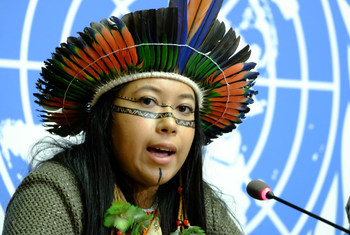
Hamangaí is a passionate protector of the Amazon rainforest and her people. Her friends and neighbours have been killed by those who seek to use the rainforest for profiteering. But her fire remains unextinguished and she continues to stand resolute in face of criminal opposition wanting to profit from the rainforest’s destruction. She involves herself in reforestation programmes and educates indigenous communities about their rights. She is a national coordinator for Engajamundo and you can see more about their work in the Amazon here.

Rebecca Kabuo, 25 Years Old, Democratic Republic of the Congo
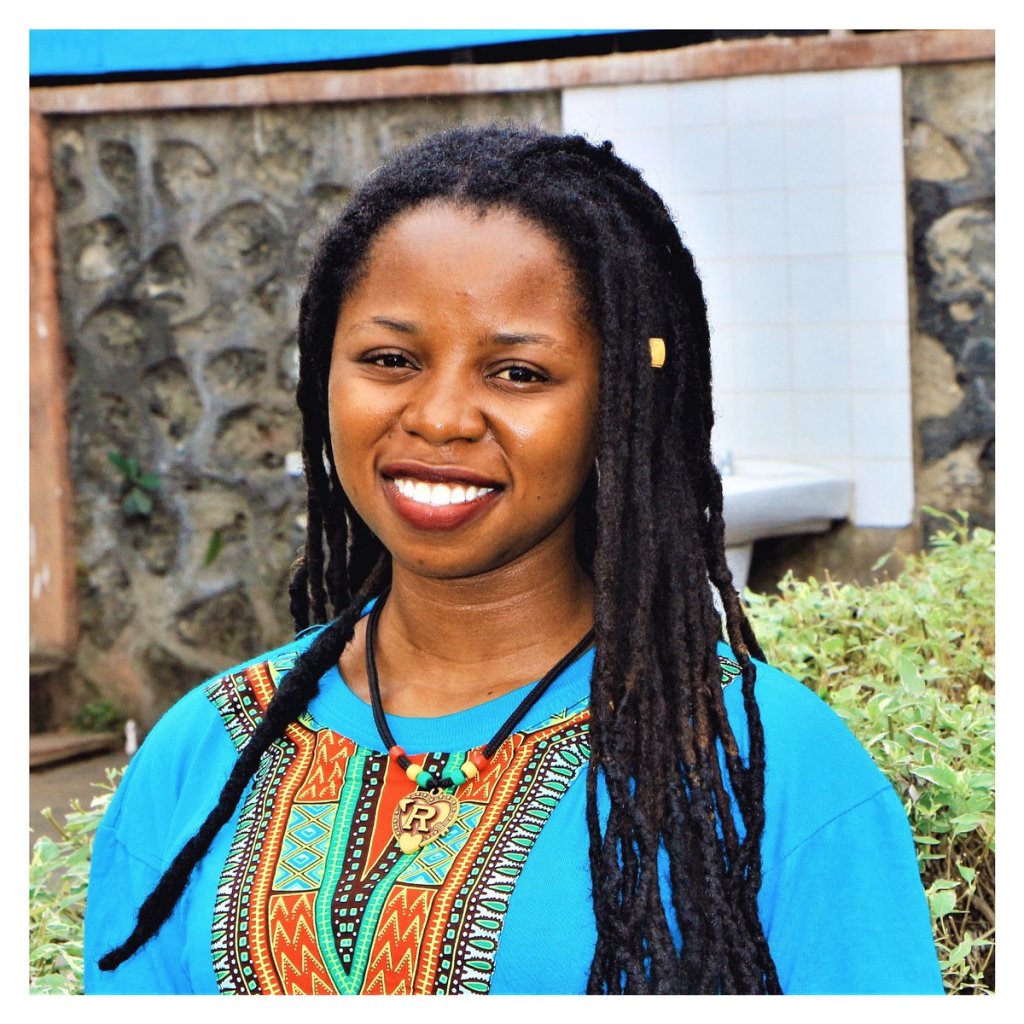
Rebecca Kabuo, one of my personal favourites from the panel if I can say that, is a Congolese activist working for LUCHA (Lutte pour le changement) that calls for the respect of human rights, and laws in the DRC. LUCHA focus on non-violence and pursuing a peaceful society by dialogue and support for communities. She was imprisoned for her efforts, and was described on social networks as the youngest prisoner of conscious in the world. Because of her work, people see peace as a viable alternative to the conflict which has grown deep roots in the DRC. You can learn more about LUCHA here.

Those were the panel members today that we were all honoured to hear and learn from. The question that must always remain is what we can do. All of us. Mobilising towards the achievement of humanitarian efforts so we can build a dream world where peace is prevalent, and the rights of all are respected, with a stable environment so we don’t have to worry about the needs of future children.
Manufactured Crisis – Myanmar

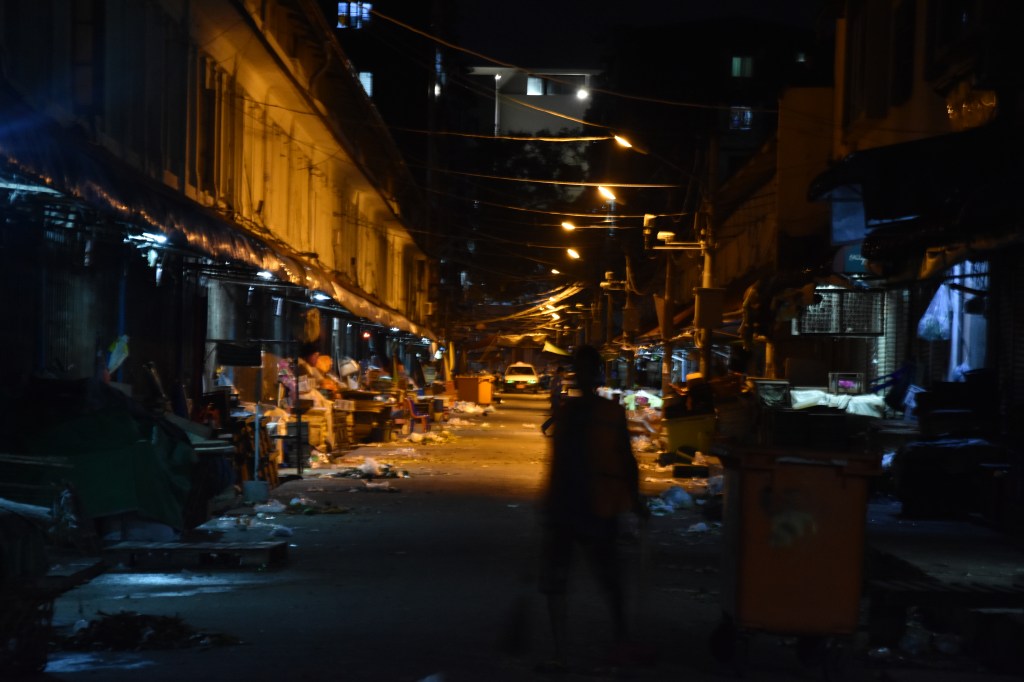
I think that in today’s society we have a responsibility to not confirm something as true automatically, we live in what is referred to as the age of ‘post-truth’ politics. Misinformation is everywhere and it is hurting our democracies. Politics is an ugly game, when it shouldn’t be, it should be about focusing on solving problems, but what is often happening is that problems are being deliberately created. I’ll use Myanmar as a reference point again, as most of my research is heavily concentrated on ‘The Golden Land.’ With reference to the Rohingya genocide in Rakhine it looks increasingly clear that it was deliberate. That it wasn’t just mutual distrust and anger that blew up into something uncontrollable. It was controllable, and it was deliberate. So many supporters flock to the parties and the leaders that are actively pursuing the solutions to the problems so many people care about. But we have to view it as an active responsibility of the citizen, to understand why the problem exists, and what factors perpetuate it. Because in reality a lot of the problems that have been created, are designed to maintain and increase power. Author of ‘The Rohingyas, Inside Myanmar’s Hidden Genocide,” Azeem Ibrahim illustrates this point perfectly; “There is emerging evidence that the old military regime funded and supported one major faction among the extremists to foster unrest.” To try and make this point clear, I’ll break it down. The problem is the unrest, and the solution to that unrest is the military. Only behind the curtains of the political play, the military are facilitating that unrest, so that they will always be relevant, always a necessary part of the political order to maintain ‘stability.’ This is the problem of our world. Powerful people and groups create problems. They pose themselves as the solutions, and that’s how they maintain their relevance and power. It’s a dirty game. It’s disgusting, dishonourable, but it’s reality. A lot of Brexit – supporting conservatives blamed the problems of the NHS on an incorrect figure that goes to the EU, which could instead go to the NHS. Yet the conservative party are the ones who are dismantling our NHS, and are the partial root cause of our NHS crisis in the country. The EU served as a useful scapegoat for dishonourable politicians, whose priorities are power over service. The problems we face today, are of a scale unimaginable to yesterday, that’s because we lose sight of truth every day that lie gets repeated after lie. The only way we can solve problems is with truth, and the only way we can know truth is by being honest with ourselves and others. For when we lie to one another, we blur the realms of lies and truths. Unable to find truth is when we sink, because if we can’t ever find the root cause of the problem, we will never be able to solve it.

Problem Solving – Envisaging a Better World

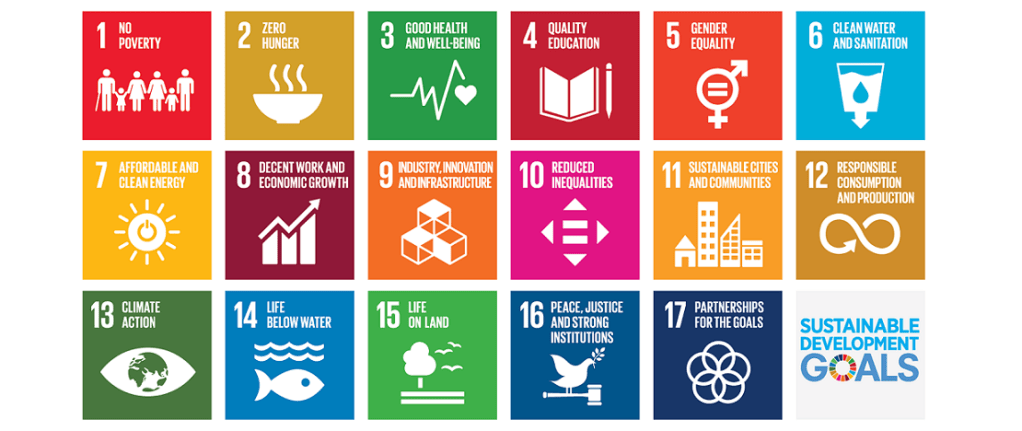
When we look down on our screens, we see the forest fires. When we turn on our TV’s we see the conflict. When we listen to the passionate activists we hear about the poverty. It’s so easy to be disheartened when we see the world around us, entrenched in problems. It’s why the clubs are so convenient, the alcohol so appealing, the Netflix binge so comforting. When we the youth look at the world, it can be easy to see how we are forever at the mercy of those in power. Those that can listen to our plea, and have the power to do something about. It’s uninspiring, the way so many handle power. And let’s face the reality of the world, that a lot of those who handle power, handle it to grow and maintain their power. Not to solve problems, which is how it should be. So we’re confronted with a bleak landscape where power is concentrated in the hands of those that show no sign of wielding it responsibly. But of course it’s not all doom and glow, for every dangerous problem gets met by a courageous act to usher in hope. Such as Greta Thunberg, whose Friday school strikes inspired a global movement to speak truth to power. I think of all the things the youth should be proud of today, it’s that we are actually the best hope we have. We’re the passionate, the ones that care. We’re the ones who have urged changed and acted on an individual level; I know so many people my age who are doing the little things to help ease the pressure that our consumer society forces on the environment. So many young ideas, to help ease the pressure. All acts that should be encouraged, but are sometimes met by the critics whose life purpose seems to be calling everyone out for not doing more. If you use a metal straw and yet still drive, you’re not doing enough. If you’re recycling and take a holiday by plane, you’re not doing enough. This is a problem within itself. We cannot expect perfection from anyone, but we should aim for perfection for ourselves. It is unreasonable to expect everyone to be doing absolutely everything to solve the climate crisis. We are all constrained to modern day life, which itself has been sustained on over-extraction and consumption. Hindering our ability to do more, by being a part of the system at fault. In any case, there’s one collective way forward out of problems. A campaign that crosses all national borders, enabling us to perfect the system we have so that it is not itself detrimental to our survival. Envisioned by the United Nations, and adopted by the 193 member states the Sustainable Development Goals (or the Global Goals) present a pathway forward towards a sustainable future. The 17 goals that make up the agenda target the problems that are causing inequalities, that are damaging the environment and are hindering any possibility of a peaceful future. Developing initiatives and pursuing efforts that realise the goals of the SDG agenda is the best way we have out of current situation. Holding our governments to account on the implementation of the SDGs is another avenue that needs to be actively pursued; they have already agreed to its adoption. The biggest problem that I myself put into this text was that we are the mercy of those in power do to something about this mess. My friends, we are the masters of ourselves, we have the power. That kind of power can be seen kindling in the ideals of the small when going up against the big. It’s an inspiring kind of power that calls forth all us to be better, and to do more. That’s where our power resides.