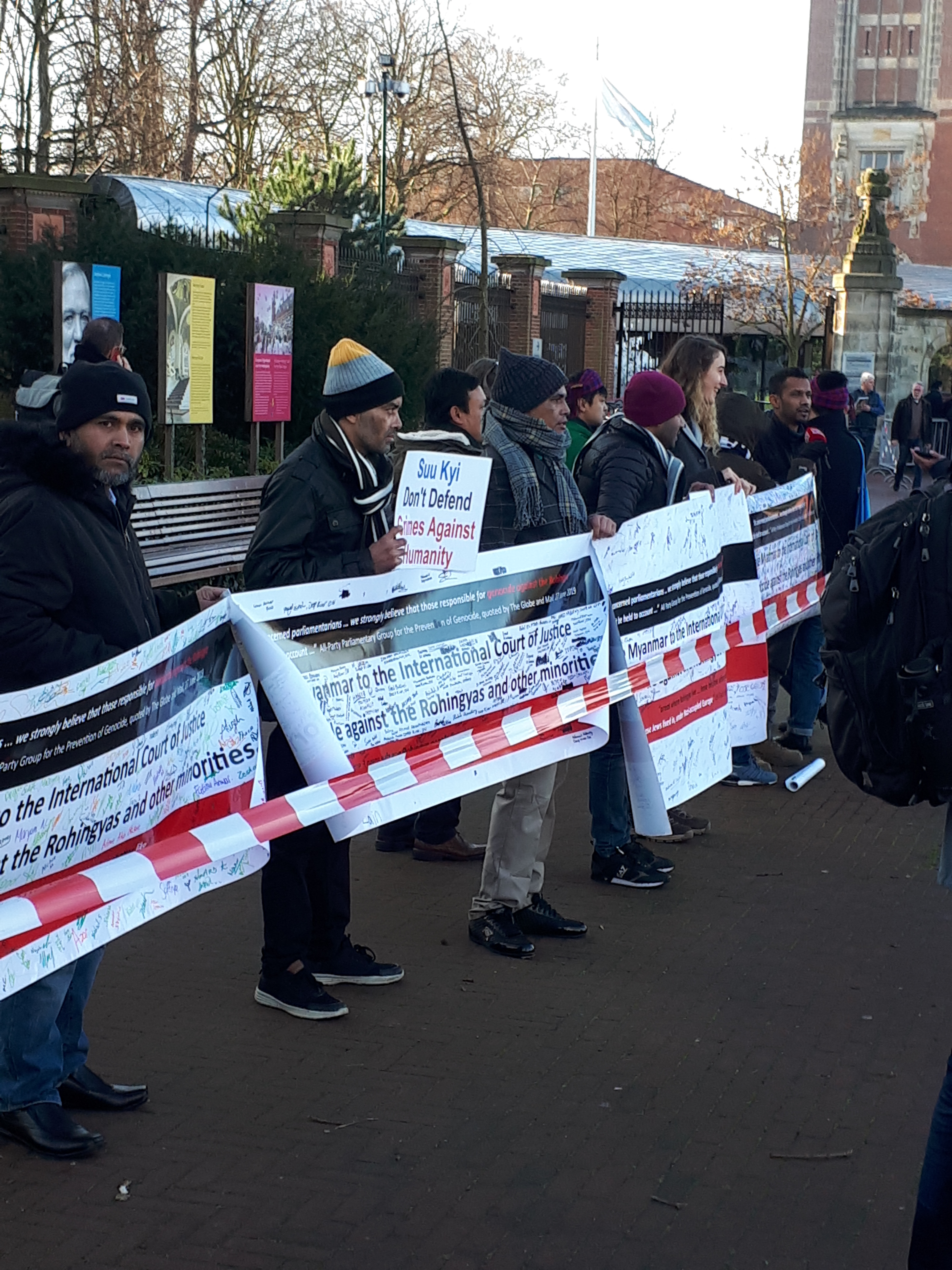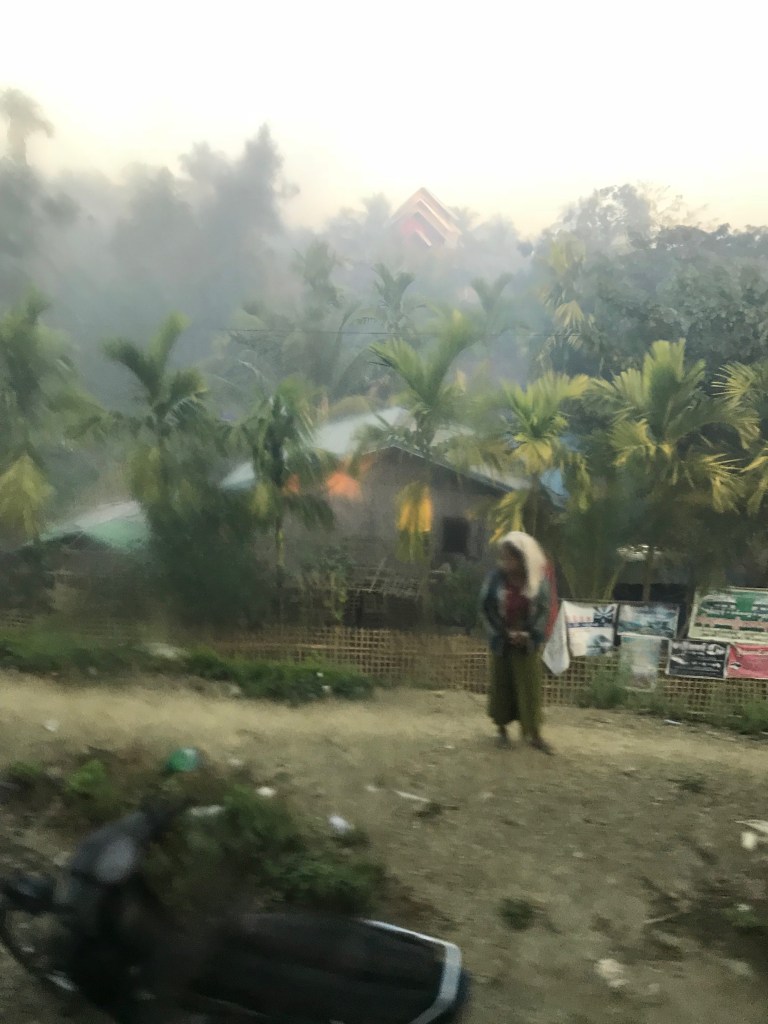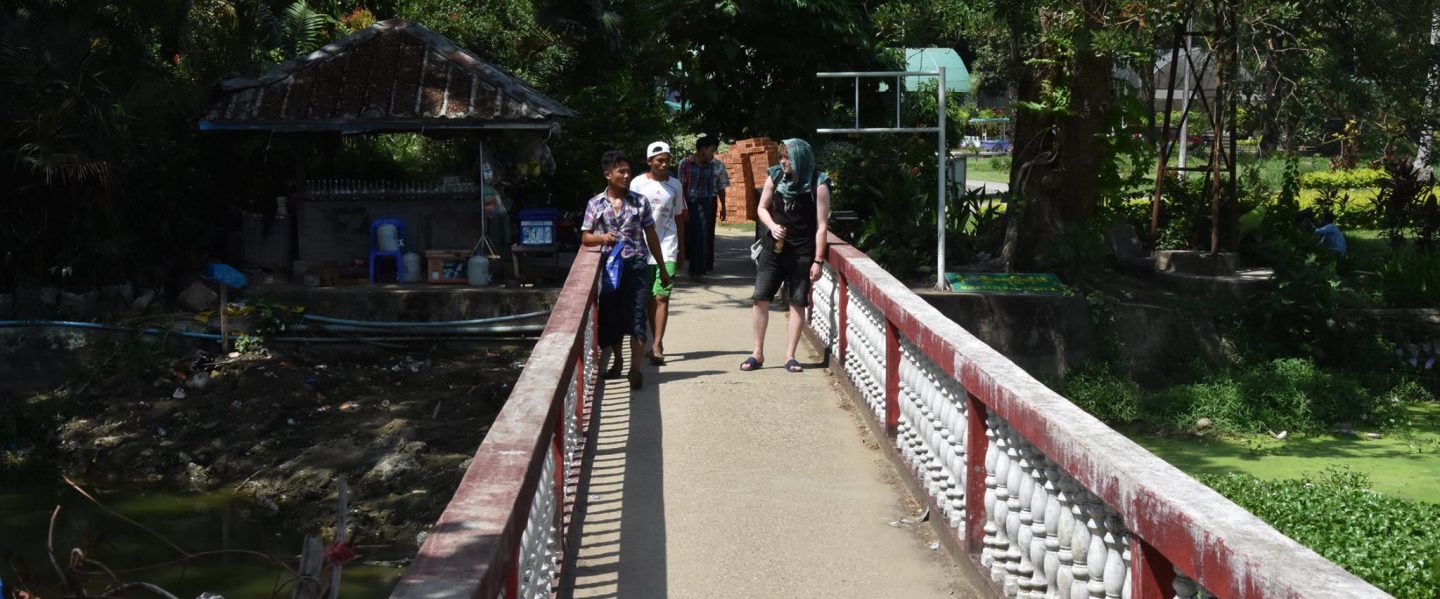

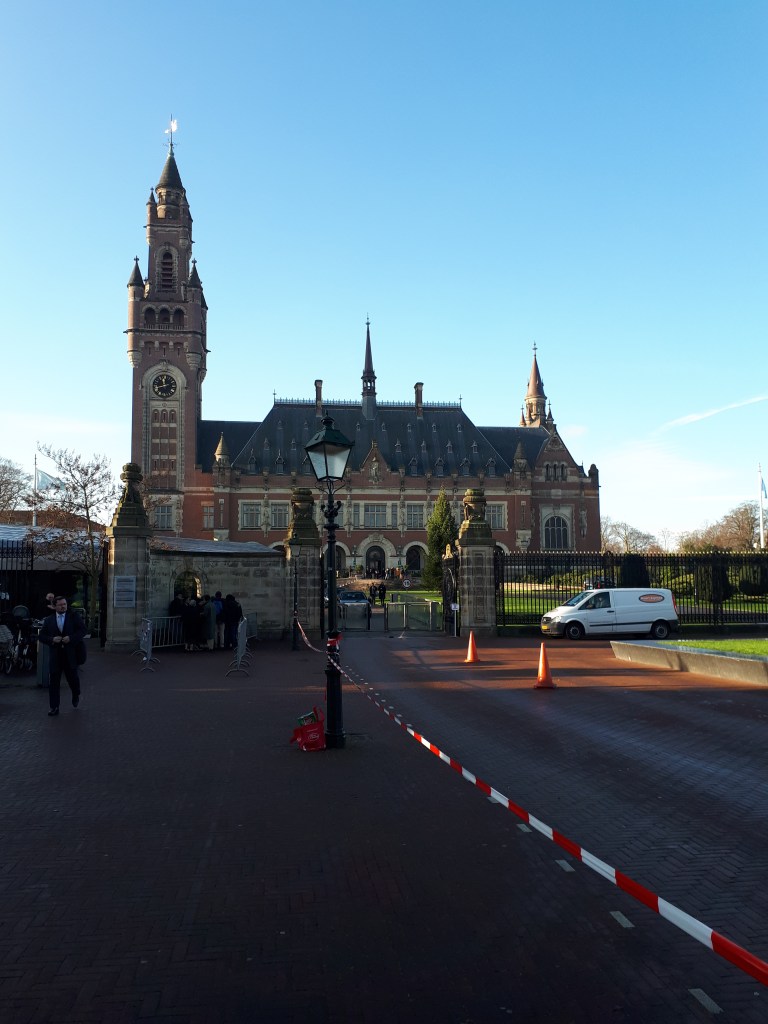
Last week, I was fortunate enough to be able to take a trip to The Hague to follow the legal case brought against Myanmar by The Gambia. I was luckier still to get one of the tickets to watch the case inside, after waiting in the cold from 5am. The case regards the genocide in Rakhine state against the minority Rohingya population. ‘Genocide’ is referred to as the crime of crimes, and it is a crime the authorities in Myanmar have continuously denied. The evidence is quite overwhelming, and the Gambia made a concrete and compelling case at the International Court of Justice (ICJ) last week. The stories from survivors are horrific, including instances of gang rape, children being thrown into fires, and homes set ablaze. State Counsellor Aung San Suu Kyi, Myanmar’s de-facto leader who shares power with the military in a quasi-civilian democratic state, travelled to The Hague to personally defend Myanmar against allegations of genocide. The world’s eyes were once again on the Nobel Laurette democracy icon whose struggle in the 1990s against the military brought her international fame. She stood in the courtroom with a certain grace reminiscent of her past. But the lady before the court was a lot different to the lady that the international community once loved. There she spoke and denied allegations of genocide. She acknowledged that there may have been a disproportionate response from the ‘Tatmadaw’ following attacks on police border posts by the Arakan Rohingya Salvation Army (ARSA), but she stood by the clearance operations as legitimate counter-terrorism efforts. She also pleaded that the court leave Myanmar to Myanmar and reject the provisional measures requested by The Gambia. Many in Myanmar support their leader, Aung San Suu Kyi. Which makes me sad, as this not about Aung San Suu Kyi. This is about human beings. How human beings perceive themselves and others, and whether they view other humans as worthy of the same rights that they perceive themselves to deserve. Myanmar has been a country and a people that have taken my heart, their generosity and grace towards me is beyond any welcome I’ve ever seen. But there’s this dark side to a lot of them that they don’t want to make light. Not all of them of course, but many in Myanmar do treat the Rohingya as sub-human. They can’t see the dark, that hatred that festers towards another people. Can any of us really see the faults in ourselves, and how do we make sure we can always see those faults so we can change, to perfect ourselves. I think values and principles offer us the best safeguard. If we understand that we ourselves are worthy of human rights because we understand our identity as human beings, then we can respect the human rights of those different to us because we still see them as human beings. When our identity gets caught up on ethnicities, nationalities, or race, that’s when we start to calculate who is worth more than who. When we realise that by denying another ethnicity their human rights, we in affect allow other ethnicities to make the same error of judgment and deny ours because of our ethnicity. When the method for determining who gets what rights because of certain differences becomes stand practice, that’s when we undermine our own human rights and the rights of others. It is either all human beings get human rights, or none get human rights, there is no justification of anywhere in between. For the sake of our human rights then, to best protect them we have to stand up and protect the rights of others. An attack on human rights is an attack on us all, for are we not all human. And one day I hope that many in Myanmar who see the Rohingya as their enemy, will see them as human. Hopefully this case will get the Rohingya some measure of justice, however small. We’re expecting the court to rule on the provisional measures requested by The Gambia next month to help safeguard the Rohingya still remaining in Rakhine. Unfortunately, the international community seems to be losing its grit in dealing with human rights, as human rights violations are becoming standard practice around the world. Here in the UK, the new government is expected to amend the Human Rights Act, the days are getting darker. What light that remains for peace, justice and a dignified human existence shines from the United Nations, the NGOs and charities working tirelessly for the humanitarian cause, in a world where money is of more worth than the human being. That light is worth fighting for.