
Long time, no blogging, no peace

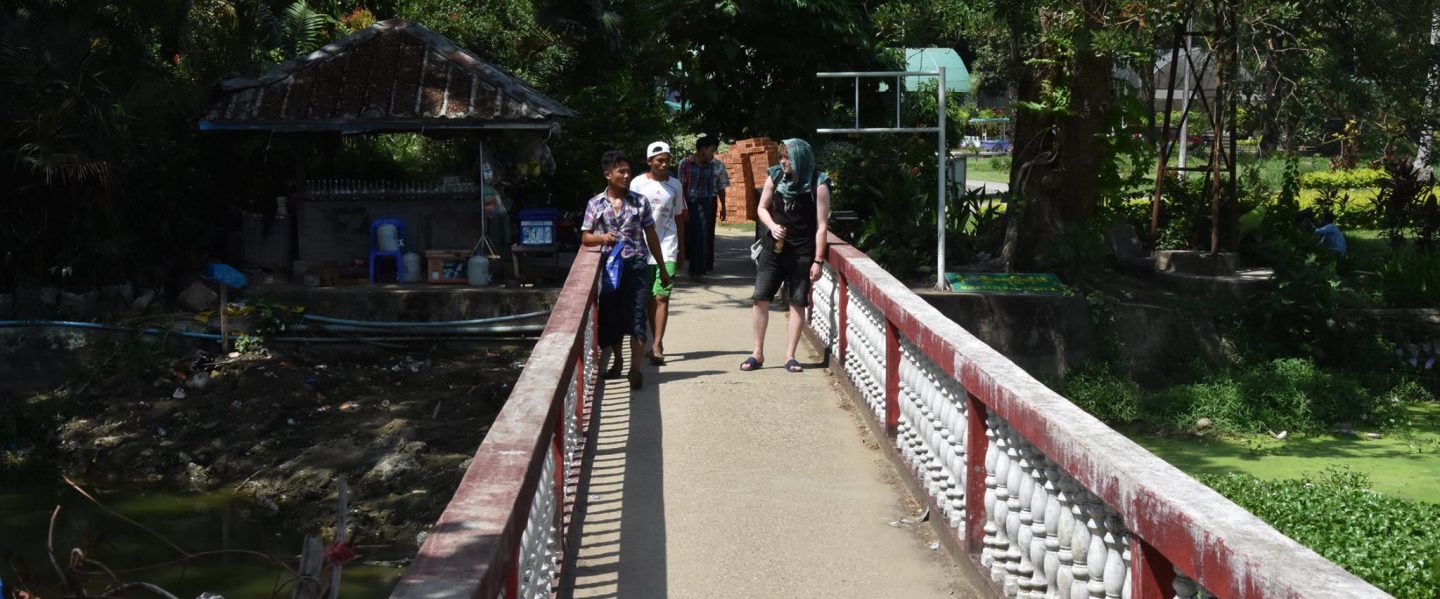
It has been six years since I last posted on my blog. It was always something I hoped to regularly update. But since that post, a lot in the world has changed. Covid19 came, and in Myanmar, the military pursued a coup d’etat in 2021. For me personally, I have been homeless, interned at the United Nation’s Executive Office of the Secretary General (remotely) and now I am back in Myanmar after seven years, working as a UN Volunteer.

I am sure we can all agree, however your journey has unfolded over the past seven years, it has been a struggle. A struggle that is hopefully coming to an end. I say this because, as per one of my previous posts, the International Court of Justice is about to announce its judgment on The Gambia v. Myanmar genocide case. It has been a long awaited judgment, and it will hopefully give the Rohingya some sense of justice and attention in the world so as to afford them more help. The genocide in Rakhine state was really my starting point of research in Myanmar; it was the subject of my first dissertation. A dissertation, that I will also upload to my blog, in case it can be of interest to any reader.

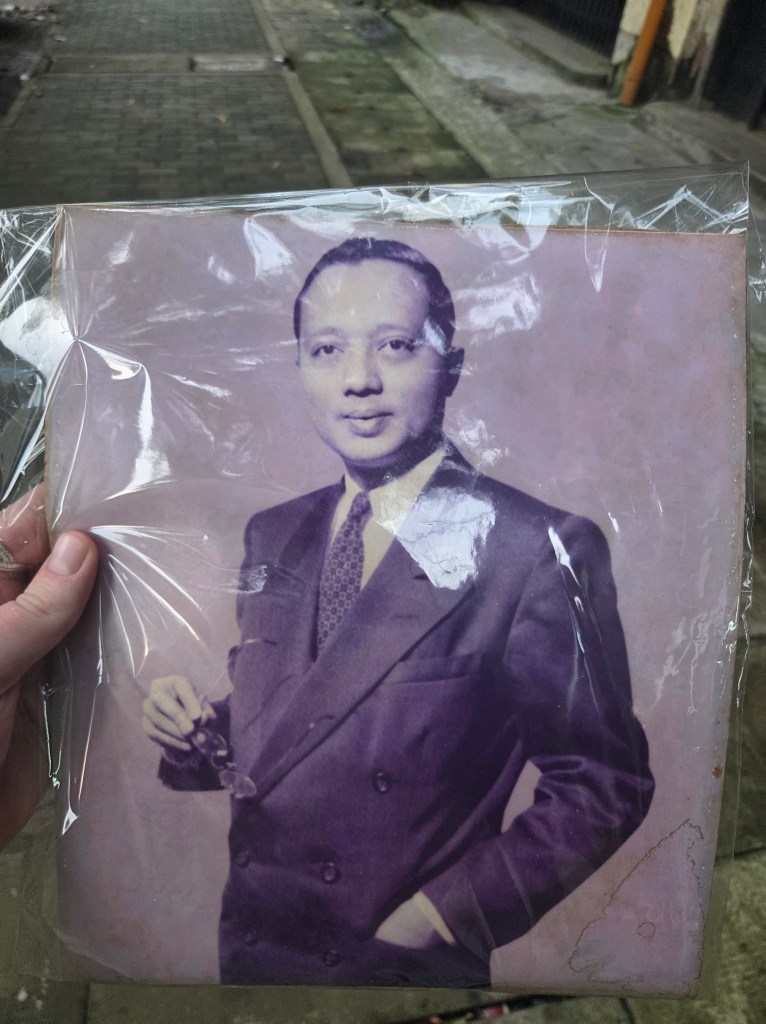
If one reads my dissertation, they will understand my starting point is U Thant’s quote on “Wars begin in the minds of men,and in those same minds, love and compassion would have built the defenses of peace.” For those who know me, they will know I hold U Thant in high esteem. He is very wise, and I finally understand what he meant by “the world will not change and find peace is there is not a new education.” I always thought working for the UN would give me a good avenue to work for peace, and indeed, in some ways it has. But in many other ways it hasn’t. I have been surviving on short term contracts, unable to plan a life, and dependent on repeated bursts of funding to allow me to stay in my role. Usually, this is announced only a few weeks before my contract ends, so I don’t know until the last moments if I have to go back to the UK or whether I’ll be staying in Bangkok, Thailand or Yangon, Myanmar. It is quite exhausting, and many others in the UN system face the same constant struggle. Then it dawned on me, in Myanmar, in exchanging a few words in Myanmar or a few smiles, that peace is built when our interactions are kind and helpful to one another. A report by the UN focusing on “postive peace”, if done hastily and aggressively, doesn’t build peace in colleagues minds, but anger, frustration or resentment. Peace is built simply when people are being kind to each other. And Good works are the culmination of a series of small kind moments, that allow Good to pass through challenges unabated.

So where does this all leave me now. I am working on a board game for personal development, it is more of a monitoring framework for behaviour but developed as a board game. The board game, a product of Agape Frameworks Ltd, is developed but the only remaining hurdle now is funding! If you are interested in seeing what the game is about, the starting point is my first dissertation, Myanmar’s Rakhine State: Identity, Collective Memory and the Battle of the Mind, a second read (which I will also upload) is the biannual report I drafted that was six months into testing the game; War of the Self, The First Biannual Progress Report. More information can be found here https://development.agapeframeworks.com/
To 2020

2020 is almost here. We survived another year humanity. Well done us. Here’s to us this year, the ones that got through and the ones that helped get us through it. 2019 has been a year of pain for many, the struggles in Hong Kong, Latin America and in the Middle East continue to move us towards envisioning a better world where people are happy and not oppressed. Building that world, is down to all of us. I think that’s what we need to focus on in the new year. We need to focus on each other. 2020 marks the beginning of the Decade of Action, as declared by the United Nations. 2020 is the start of a final 10 year push to see through the sustainable development agenda that paves the way for that happy future we all want. That future is not unachievable or unrealistic, it’s entirely realistic and we can see it in the small moments in our lives when people do things out of the warmth of their hearts. When things are simply about love, compassion and sharing good will. That’s how we build it, we can’t remain inactive or let the cold hearted desire for profit overturn human progress and subject us all to a meaningless existence. There is always room for hope. And joining the Global Goals Agenda at the start of the Decade of Action is when that hope gets untied, and we can collectively bring about a happy future. This year we have to be brave on an individual level. We have to say no to fear this year. No to self-doubt. And no to profit if it causes human misery. We have to be resolute in our own belief that we can be happy. That we can attain it, like the holy grail at the end of a noble quest. True happiness can only be found by knowing truth. If we don’t know truth we won’t know how we’re truly feeling, or whether we’re truly loved. The only way to really know truth is to be honest with ourselves first, about who we are and who we want to be. Place that self as your goal for 2020. The world will surely be a better place if you are true self, and that’s how we can make 2020 better than this year. All the love in the world for a blessed and happy new year to any of my readers and your families and friends.

Problem Solving – Envisaging a Better World

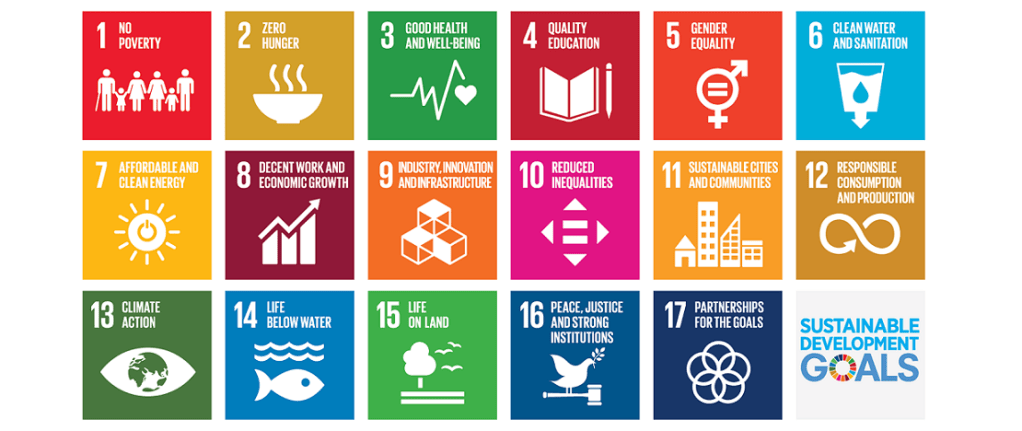
When we look down on our screens, we see the forest fires. When we turn on our TV’s we see the conflict. When we listen to the passionate activists we hear about the poverty. It’s so easy to be disheartened when we see the world around us, entrenched in problems. It’s why the clubs are so convenient, the alcohol so appealing, the Netflix binge so comforting. When we the youth look at the world, it can be easy to see how we are forever at the mercy of those in power. Those that can listen to our plea, and have the power to do something about. It’s uninspiring, the way so many handle power. And let’s face the reality of the world, that a lot of those who handle power, handle it to grow and maintain their power. Not to solve problems, which is how it should be. So we’re confronted with a bleak landscape where power is concentrated in the hands of those that show no sign of wielding it responsibly. But of course it’s not all doom and glow, for every dangerous problem gets met by a courageous act to usher in hope. Such as Greta Thunberg, whose Friday school strikes inspired a global movement to speak truth to power. I think of all the things the youth should be proud of today, it’s that we are actually the best hope we have. We’re the passionate, the ones that care. We’re the ones who have urged changed and acted on an individual level; I know so many people my age who are doing the little things to help ease the pressure that our consumer society forces on the environment. So many young ideas, to help ease the pressure. All acts that should be encouraged, but are sometimes met by the critics whose life purpose seems to be calling everyone out for not doing more. If you use a metal straw and yet still drive, you’re not doing enough. If you’re recycling and take a holiday by plane, you’re not doing enough. This is a problem within itself. We cannot expect perfection from anyone, but we should aim for perfection for ourselves. It is unreasonable to expect everyone to be doing absolutely everything to solve the climate crisis. We are all constrained to modern day life, which itself has been sustained on over-extraction and consumption. Hindering our ability to do more, by being a part of the system at fault. In any case, there’s one collective way forward out of problems. A campaign that crosses all national borders, enabling us to perfect the system we have so that it is not itself detrimental to our survival. Envisioned by the United Nations, and adopted by the 193 member states the Sustainable Development Goals (or the Global Goals) present a pathway forward towards a sustainable future. The 17 goals that make up the agenda target the problems that are causing inequalities, that are damaging the environment and are hindering any possibility of a peaceful future. Developing initiatives and pursuing efforts that realise the goals of the SDG agenda is the best way we have out of current situation. Holding our governments to account on the implementation of the SDGs is another avenue that needs to be actively pursued; they have already agreed to its adoption. The biggest problem that I myself put into this text was that we are the mercy of those in power do to something about this mess. My friends, we are the masters of ourselves, we have the power. That kind of power can be seen kindling in the ideals of the small when going up against the big. It’s an inspiring kind of power that calls forth all us to be better, and to do more. That’s where our power resides.

Myanmar’s Forgotten War – Will it Ever End?

It’s been a war waging for over 70 years. It’s been a problem that has perpetuated for such a long period of time that it looks impossible to solve. And yet it could be. Within Myanmar, the various power players seek to address the impossible. Knowing that whoever solves it, receives an unimaginable amount of credit. That credit and recognition would help decide the winners and losers of the hearts of a peoples that for so long have wanted peace. Peace protests have become a normal sight for me on my travels to Myanmar. Ceasefire after ceasefire, new arrangements after new arrangements. But the reality in the problem, is the problem solvers themselves. The relationships between the military, the government, and the ethnic armed organizations (EAOs) have a long history of distrust, human rights violations, and grievances. How can you problem solve, when the other side in negotiations is a long time enemy and one that has continuously perpetuated human rights violations and atrocities against one’s own. Finding the common ground seems always to be the key to building a positive relationship, finding this common ground for the players in Myanmar’s game seems to be an insurmountable challenge. Made forever more insurmountable because every player is out to win. Which I guess would be the most simplistic and understandable aim when waging war. Compromises after compromises, how much ground to give away, and how much to keep. Focusing on the common ground is always the right step forward. For one ethnic group does not suffer alone, far better it would be for neither group to suffer and instead to build a lasting peace. Very idealistic I know. But in terms of repairing damaged relationships between ethnic armed organisations and the central government, there needs to be a marriage counsellor. One organisation with the right connotations that can play the leading part and facilitate negotiations. Impartial of course, but with the predominant role. The marriage counsellor (the organisation) doesn’t need to be the one to take the credit, we all know how secret the process of negotiations are. A lot can be achieved behind closed doors, saving face for the players involved. But that requires already a major concession on the government’s part, and its not that third party mediators are not already involved in the observation group. But the third party that both of the main actors can trust, needs to be in the leadership seat. Of course I could also be wrong about my perspective. But I guess that’s what we all face when pushing ideas out there. And why not trust yourself enough to push out ideas. Is there a magic formula? There has to be one out there somewhere, we probably just haven’t found it. For every human problem there is a human solution. If we can create problems, we can solve them. This problem really needs one hell of a focus, backed by the international community, because the people of Myanmar deserve it. They deserve their peace, they haven’t had it for over 70 years. They are the most deserving of it. The most compassionate people you’ll ever meet, abandoned by their leaders, and forgotten by the world. The world works through reciprocal action, if leaders abandon their people, their people will abandon their leaders. If the world forgets a peoples, suffering through genocide and mass atrocities, that same world that forgot those peoples, will in turn be forgotten. “Injustice anywhere is a threat to justice everywhere – Martin Luther King.” For there is little chances of peace, without justice, for justice has the power to heal old wounds and move communities forward towards a future together.

The Happiest Day So Far…

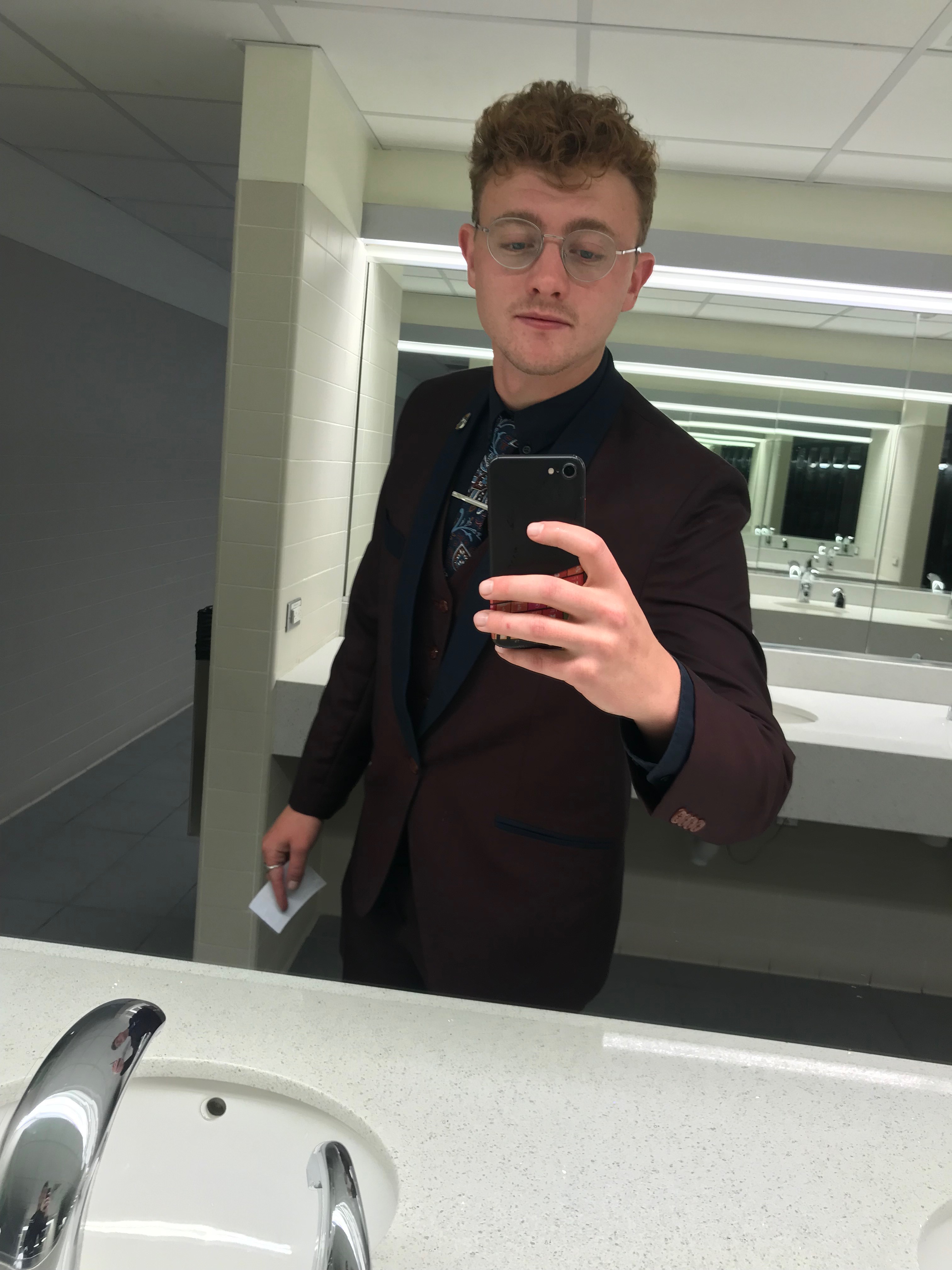
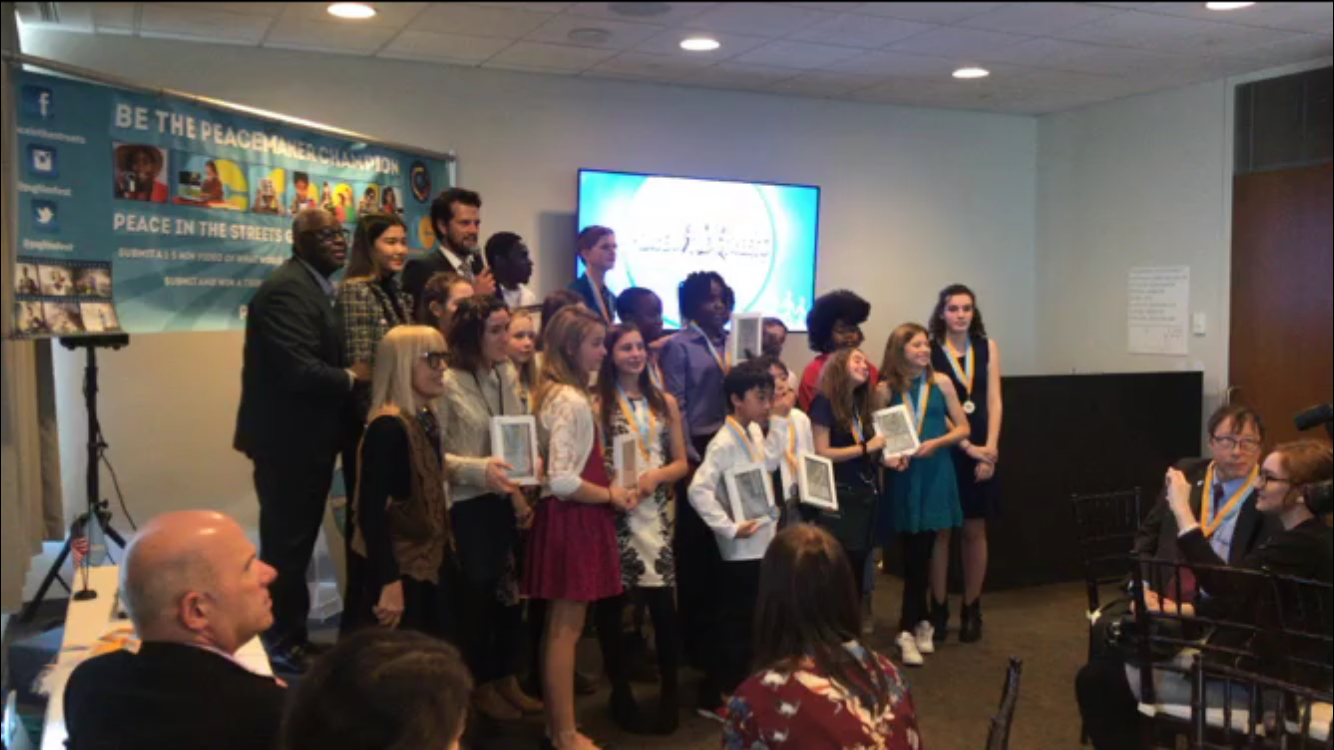
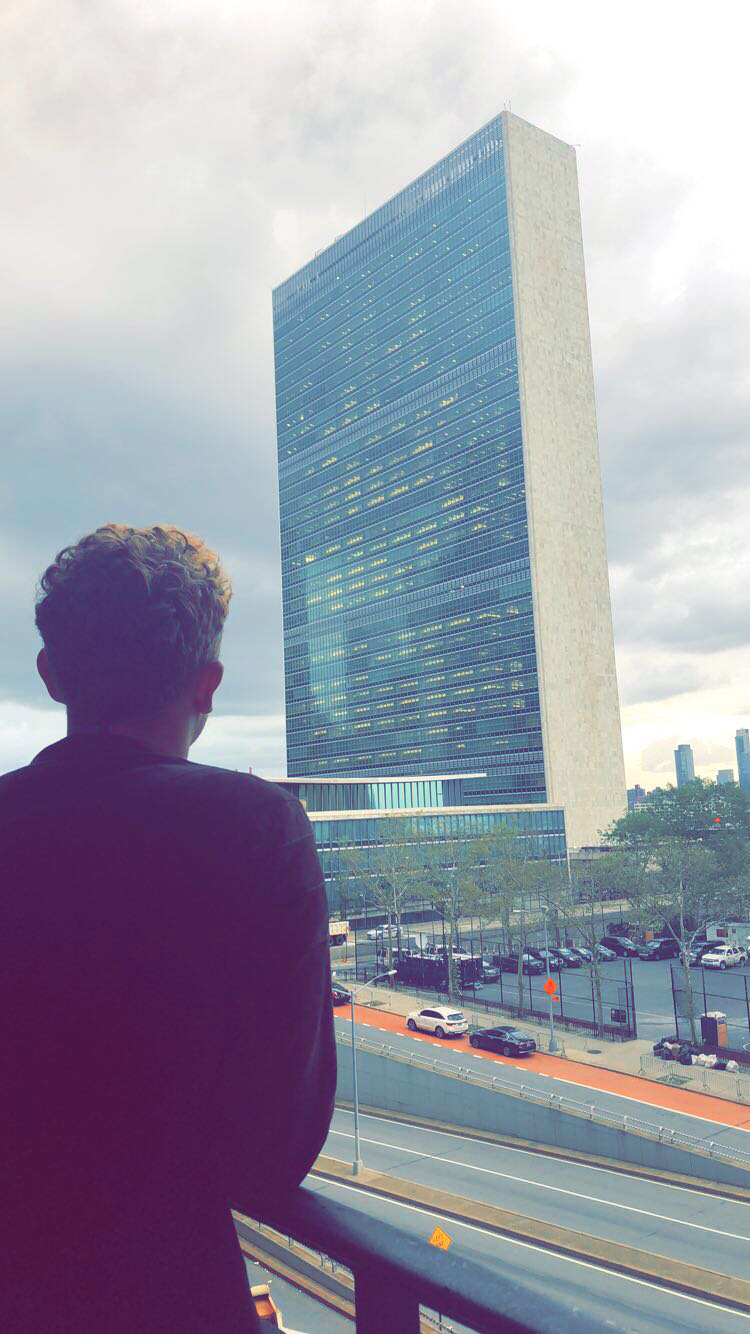
This post follows on from my post Withholding Judgment after I almost got mugged on the streets of NYC before my day at the United Nations; my home away from home, a place where all nationalities belong, and none are turned away. I had been fortunate enough to meet the Executive Director of the Peacemaker Corps Association at a free climate week event in September. I was aware of the UN General Assembly meeting, and I knew it would give me a good opportunity to network and get the tips I need to one day land the dream job at the United Nations. The dream was so alive. I’m also so indebted to my good Canadian friend and his son for taking the time out of their week to drive over the border to New York City so that I could pursue my dream, it’s times like these that I think about how lucky I am to have so much support for me reaching my goals. Anyway, I had been invited to the Peace in the Streets Global Film Festival by the Executive Director. She is a really kind woman, very welcoming and eager to share the good work of the Peacemaker Corps. It is this NGO that welcomes the young into the conversation for peace. The young have an important place in this conversation, the global youth have the idealism to build a more peaceful place, had they been given the chance to share their perspectives. More often than not, the young are stigmatised in these matters,’ their idealism, written off as unrealistic, and they are pushed out of the conversation because they ‘don’t understand how the world works.’ It’s a terrible infliction, the passion and the idealism of our global youth is exactly the cure our societies need right now. We need dreamers to escape the nightmares of today. I applaud the efforts of the Peacemaker Corps Association for involving the youth in the conversation of peace, it is after all their future too. The film festival was happening in the delegates dining room, I had my ticket and after changing into my suit at a coffee shop in downtown Manhattan, I was ready. The sun was out, my serotonin levels were at an all time high. I was ready to go and speak to UN officials, and hear the stories of youth from around the world. The delegates dining room overlooked the East river, the glistening water mirrored the clear blue sky, as if all the heavens were out today to bare witness to the important stories of the injustices people face in their societies. The winners of the contest had their videos displayed at the front, and topics ranged from the labels used by bullies, to war and human rights violations. Every participant gave a perspective, and captured that perspective like magic on a digital device so that it could be shared. It is always reassuring to see the peace not being taken for granted. It is always ever so fragile in a nuclear world. In some corners of the world it’s like voters actively ask for it, they want to prove to the world that their country is the greatest, that it can win wars, but the reality is no one wins in war. You win the war with others by overcoming the need to prove yourself to others. Then you realise, some people are really just at war with themselves, but they dare not admit imperfection, and would rather use that warmongering feeling to be at war with others. That’s the only war that needs to be waged, the one on the worst parts of ourselves; the selfish, the greedy, the unprincipled, the lying, the discompassionate; parts of ourselves. It is war that can be only waged on ourselves and by ourselves. The short film screenings were preceded by a number of high-profile speakers, my favourite was Ambassador Anwarul Chowdhury. He was a humble and principled man, whose career saw him fight for the increased participation of women in peace and security matters. A male voice that recognised the potential of the female voice in peacekeeping, and who fought for that voice. Before the event was underway, I approached him to speak to him about peace, and my perspective on Myanmar. He listened. Nothing was more respectable than that, for like I said previously, often the voice of the young is shouted over, and as a member of the youth of the world, it feels like we are forever at the mercy of those older than us to hear our plea, and to take our future seriously. That’s what made this event the happiest day of my life. Something so small, and yet it moved me so much that a high level official at the institution of peace and love listened. After the event, the feeling of being on this path towards my dream, and being able to maintain a conversation with someone so knowledgeable on matters of peace, made me realise how far I’d already come. That I was getting there, preparing for my service. I travelled to Grand Central Station to seek out a cubicle in a restroom to relieve myself of tears. Not of sadness, but the opposite. If I could relive that moment, of crying tears of happiness every day, I would. Crying is seen commonly as an ‘unmanly’ trait these days, it’s sad that we’ve turned our back on human nature, for what a blessing it is to feel so much. But I’d do it everyday if I could. After the events, I turned into a bar to get myself a pint, celebrating a day like none other, before making the bus journey back to Canada. There’s nothing more I want in this world than to keep on dreaming, it is a level of emotion that makes life so meaningful. Please, if you have a dream, never let it go.