2020 is almost here. We survived another year humanity. Well done us. Here’s to us this year, the ones that got through and the ones that helped get us through it. 2019 has been a year of pain for many, the struggles in Hong Kong, Latin America and in the Middle East continue to move us towards envisioning a better world where people are happy and not oppressed. Building that world, is down to all of us. I think that’s what we need to focus on in the new year. We need to focus on each other. 2020 marks the beginning of the Decade of Action, as declared by the United Nations. 2020 is the start of a final 10 year push to see through the sustainable development agenda that paves the way for that happy future we all want. That future is not unachievable or unrealistic, it’s entirely realistic and we can see it in the small moments in our lives when people do things out of the warmth of their hearts. When things are simply about love, compassion and sharing good will. That’s how we build it, we can’t remain inactive or let the cold hearted desire for profit overturn human progress and subject us all to a meaningless existence. There is always room for hope. And joining the Global Goals Agenda at the start of the Decade of Action is when that hope gets untied, and we can collectively bring about a happy future. This year we have to be brave on an individual level. We have to say no to fear this year. No to self-doubt. And no to profit if it causes human misery. We have to be resolute in our own belief that we can be happy. That we can attain it, like the holy grail at the end of a noble quest. True happiness can only be found by knowing truth. If we don’t know truth we won’t know how we’re truly feeling, or whether we’re truly loved. The only way to really know truth is to be honest with ourselves first, about who we are and who we want to be. Place that self as your goal for 2020. The world will surely be a better place if you are true self, and that’s how we can make 2020 better than this year. All the love in the world for a blessed and happy new year to any of my readers and your families and friends.
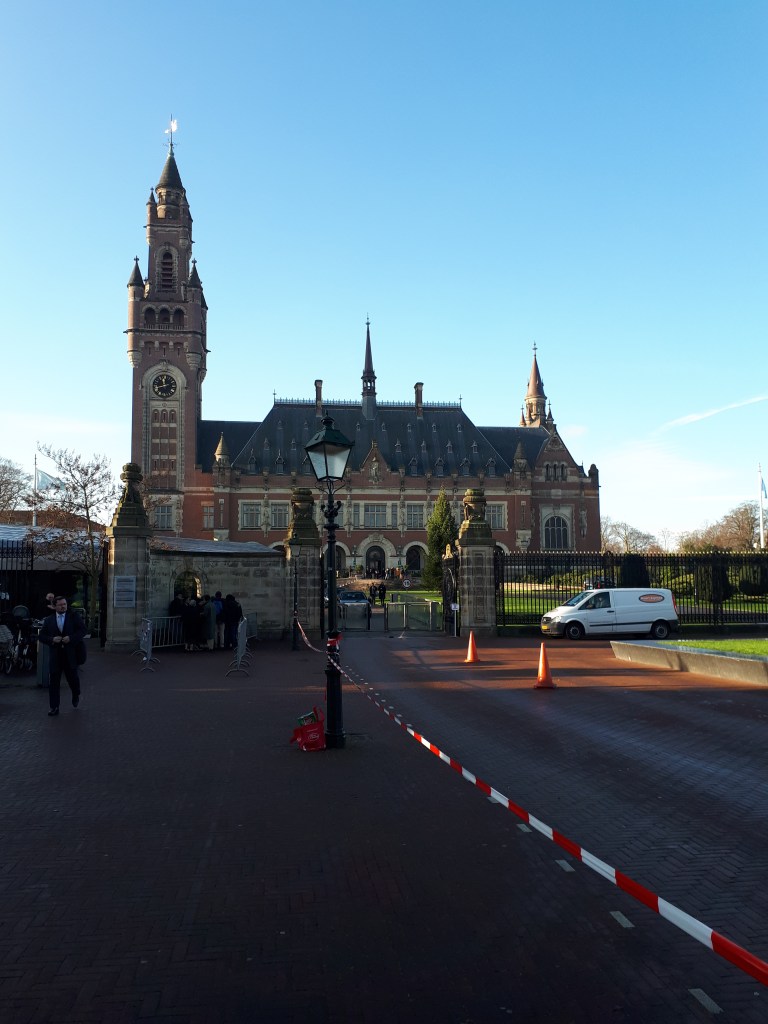
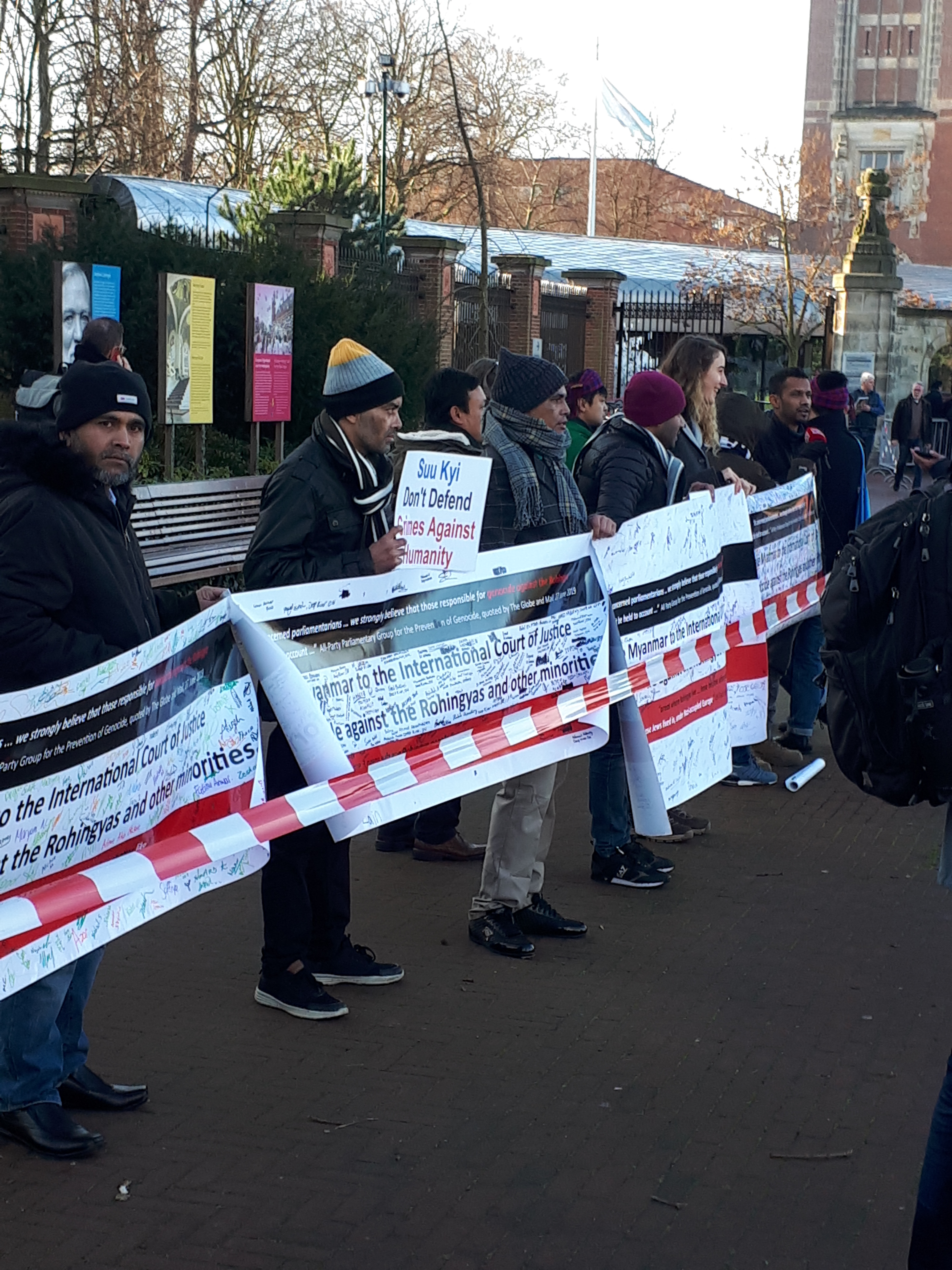
Last week, I was fortunate enough to be able to take a trip to The Hague to follow the legal case brought against Myanmar by The Gambia. I was luckier still to get one of the tickets to watch the case inside, after waiting in the cold from 5am. The case regards the genocide in Rakhine state against the minority Rohingya population. ‘Genocide’ is referred to as the crime of crimes, and it is a crime the authorities in Myanmar have continuously denied. The evidence is quite overwhelming, and the Gambia made a concrete and compelling case at the International Court of Justice (ICJ) last week. The stories from survivors are horrific, including instances of gang rape, children being thrown into fires, and homes set ablaze. State Counsellor Aung San Suu Kyi, Myanmar’s de-facto leader who shares power with the military in a quasi-civilian democratic state, travelled to The Hague to personally defend Myanmar against allegations of genocide. The world’s eyes were once again on the Nobel Laurette democracy icon whose struggle in the 1990s against the military brought her international fame. She stood in the courtroom with a certain grace reminiscent of her past. But the lady before the court was a lot different to the lady that the international community once loved. There she spoke and denied allegations of genocide. She acknowledged that there may have been a disproportionate response from the ‘Tatmadaw’ following attacks on police border posts by the Arakan Rohingya Salvation Army (ARSA), but she stood by the clearance operations as legitimate counter-terrorism efforts. She also pleaded that the court leave Myanmar to Myanmar and reject the provisional measures requested by The Gambia. Many in Myanmar support their leader, Aung San Suu Kyi. Which makes me sad, as this not about Aung San Suu Kyi. This is about human beings. How human beings perceive themselves and others, and whether they view other humans as worthy of the same rights that they perceive themselves to deserve. Myanmar has been a country and a people that have taken my heart, their generosity and grace towards me is beyond any welcome I’ve ever seen. But there’s this dark side to a lot of them that they don’t want to make light. Not all of them of course, but many in Myanmar do treat the Rohingya as sub-human. They can’t see the dark, that hatred that festers towards another people. Can any of us really see the faults in ourselves, and how do we make sure we can always see those faults so we can change, to perfect ourselves. I think values and principles offer us the best safeguard. If we understand that we ourselves are worthy of human rights because we understand our identity as human beings, then we can respect the human rights of those different to us because we still see them as human beings. When our identity gets caught up on ethnicities, nationalities, or race, that’s when we start to calculate who is worth more than who. When we realise that by denying another ethnicity their human rights, we in affect allow other ethnicities to make the same error of judgment and deny ours because of our ethnicity. When the method for determining who gets what rights because of certain differences becomes stand practice, that’s when we undermine our own human rights and the rights of others. It is either all human beings get human rights, or none get human rights, there is no justification of anywhere in between. For the sake of our human rights then, to best protect them we have to stand up and protect the rights of others. An attack on human rights is an attack on us all, for are we not all human. And one day I hope that many in Myanmar who see the Rohingya as their enemy, will see them as human. Hopefully this case will get the Rohingya some measure of justice, however small. We’re expecting the court to rule on the provisional measures requested by The Gambia next month to help safeguard the Rohingya still remaining in Rakhine. Unfortunately, the international community seems to be losing its grit in dealing with human rights, as human rights violations are becoming standard practice around the world. Here in the UK, the new government is expected to amend the Human Rights Act, the days are getting darker. What light that remains for peace, justice and a dignified human existence shines from the United Nations, the NGOs and charities working tirelessly for the humanitarian cause, in a world where money is of more worth than the human being. That light is worth fighting for.
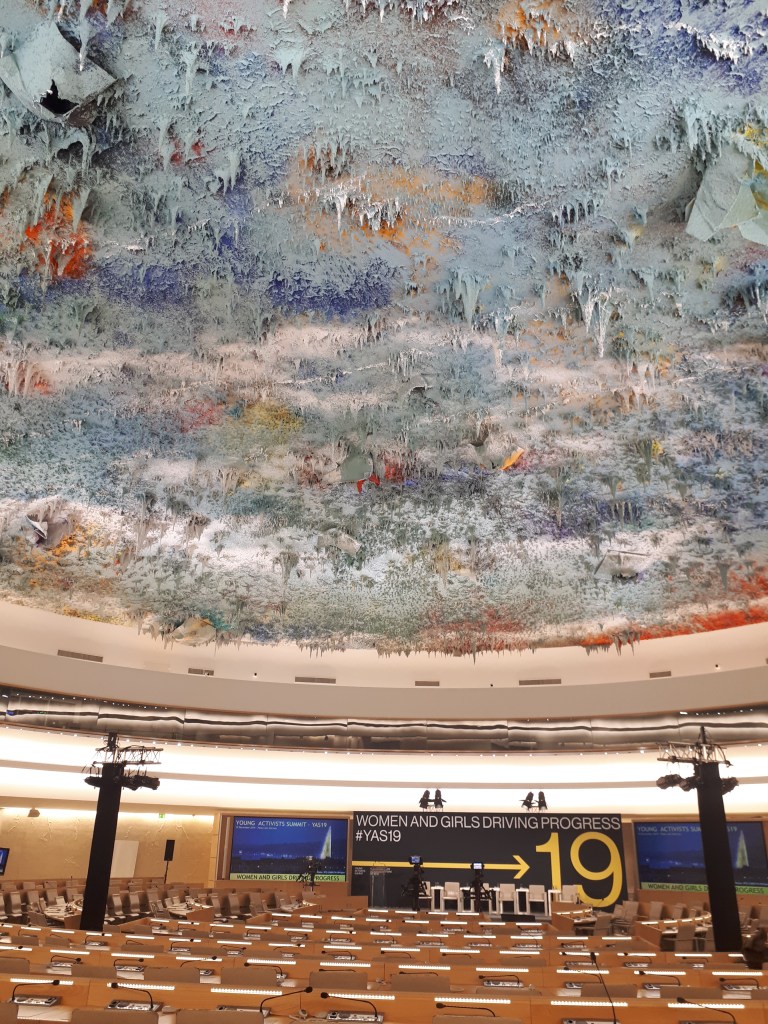
The Young Activists Summit in The Human Rights and Alliance of Civilisations Room at the United Nations Office in Geneva. Happy Human Rights Day too! 10th December
On the 10th of December I was lucky enough to get back to the United Nations Office in Geneva for the Young Activists Summit. It was the first Young Activists Summit and its first year started with an inspiring panel of changemakers. I think we’ve all been there, wanting to make a difference, a notable one. Is there really anything more valuable than to fight for a cause that benefits others. I guess that depends on whether you consider benefiting others a valuable pursuit, when you could always benefit yourself. But then what are you left with? An empty achievement that can only be shared by oneself. I think the human race needs a talk. A serious talk about economics and evolving our livelihoods around the 9-5s. Does it make us happy? Not according to the research on anxiety and depression, which are higher in the West. The simple truth is there’s nothing that comes close to living for love. It is the purest emotion that human beings are capable of, and nothing should be placed above it. The six activists on the panel today had a clear love and devotion for their causes. That’s what makes their passions so pure. Whatever their hurdles, whether it was rape or imprisonment, their love grew ad grew and they became at one with what they were fighting for. To attach yourself to a cause that gets your every piece of mind sounds like a remarkable achievement in itself. We all have value to bring, but knowing exactly what that value is, that’s where it gets tricky and we don’t know what we can bring to the table. One of the first things you should look to identify is what positive effect do you have on others. It’s a useful starting point, if you help those around you instill confidence than that can highlight your character’s ability for leadership for etc. There’s so many ways we can benefit one another, and just imagine the world we could live in if everyone lived to benefit one another. The world would be so pure. A world where there was no malice or bad intentions towards one another. Impossible says many, it’s human nature. I disagree, I can give you loads of examples of human beings who are non-violent, they worked on themselves, and they found a purer way to live, using love and compassion as their compasses, not hate and anger. Dare to dream, as these activists did, and their struggles and achievements shall be documented below.
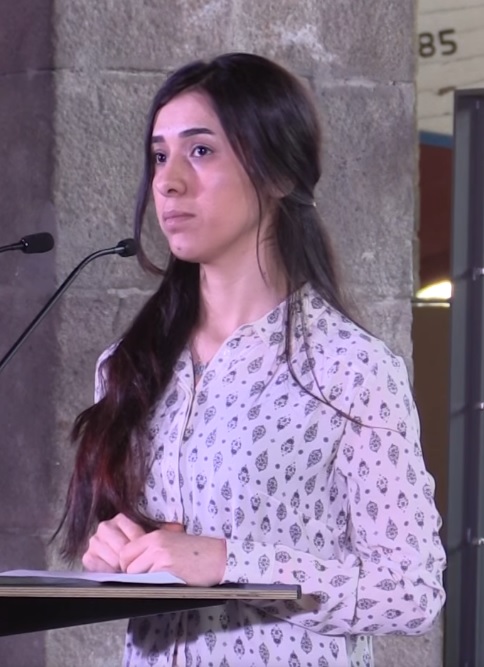
Nadia Murad, 26 Years Old, Nobel Peace Prize Winner 2018, Iraq
Nadia Murad was 21 at the time when ISIS abducted, raped and enslaved her among thousands other Yazidi women. Fortunately, she managed to escape and she told her story to the world, leading a campaign to draw the attention of governments to the plight of Yazidi women. She’s never stopped fighting. She was the shared co-recipient of the 2018 Nobel Peace Prize with Dr Denis Mukwege Mukengere, and has received numerous other awards recognising her work to benefit humanity and particularly those that have suffered from genocide and gender based violence. You can learn more about this incredible woman and her initiative here.
Amy & Ella Meek, 14 & 16 Years Old, United Kingdom
These two sisters are the founders of “Kids Against Plastic” a social campaign for young people that tackles plastic pollution. They’ve already inspired youth action that has seen 70,000 pieces of single-use plastic removed, and they’re aiming for 100,000. The two sisters mainly work with schools and businesses to promote sustainability, and are pursuing their “Plastic Clever Programme.” More than 50 cafes and restaurants and more than 470 schools have already joined this programme! It’s incredible how two young girls can make such a huge difference to the world. There’s so many problems out there to tackle, take your pick and find a new angle. More about Kids Against Plastic can be seen here.
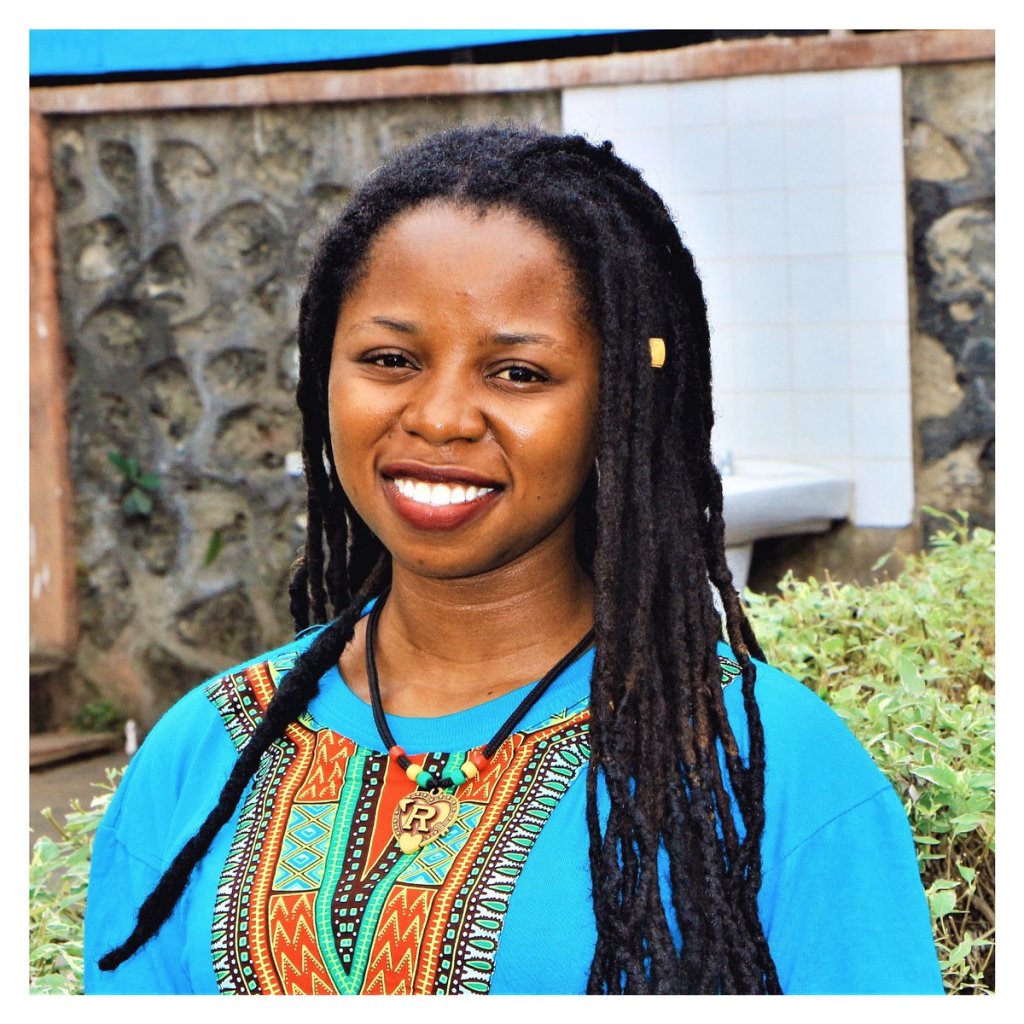
Memory Banda, 23 Years Old, Malawi
Memory Banda has gained the international community’s attention for her work fighting to end early and forced child marriages. She was particularly moved to fight this issue after her sister was forced to marry at the age of 11. Her work has been so successful it has helped change the law in her country, raising the minimum legal age for marriage from 15 to 18 years. An outstanding victory for everything that is good and right in our world, where women and girls are not compelled to serve the needs of men. She has since established Foundation 4 Girls Leadership and helps empower other women and girls to become leaders and know their rights. You can see more about them here.
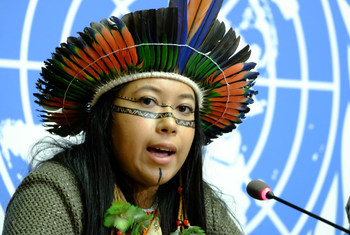
Hamangaí Patoxó, 22 Years Old, Brasil
Hamangaí is a passionate protector of the Amazon rainforest and her people. Her friends and neighbours have been killed by those who seek to use the rainforest for profiteering. But her fire remains unextinguished and she continues to stand resolute in face of criminal opposition wanting to profit from the rainforest’s destruction. She involves herself in reforestation programmes and educates indigenous communities about their rights. She is a national coordinator for Engajamundo and you can see more about their work in the Amazon here.
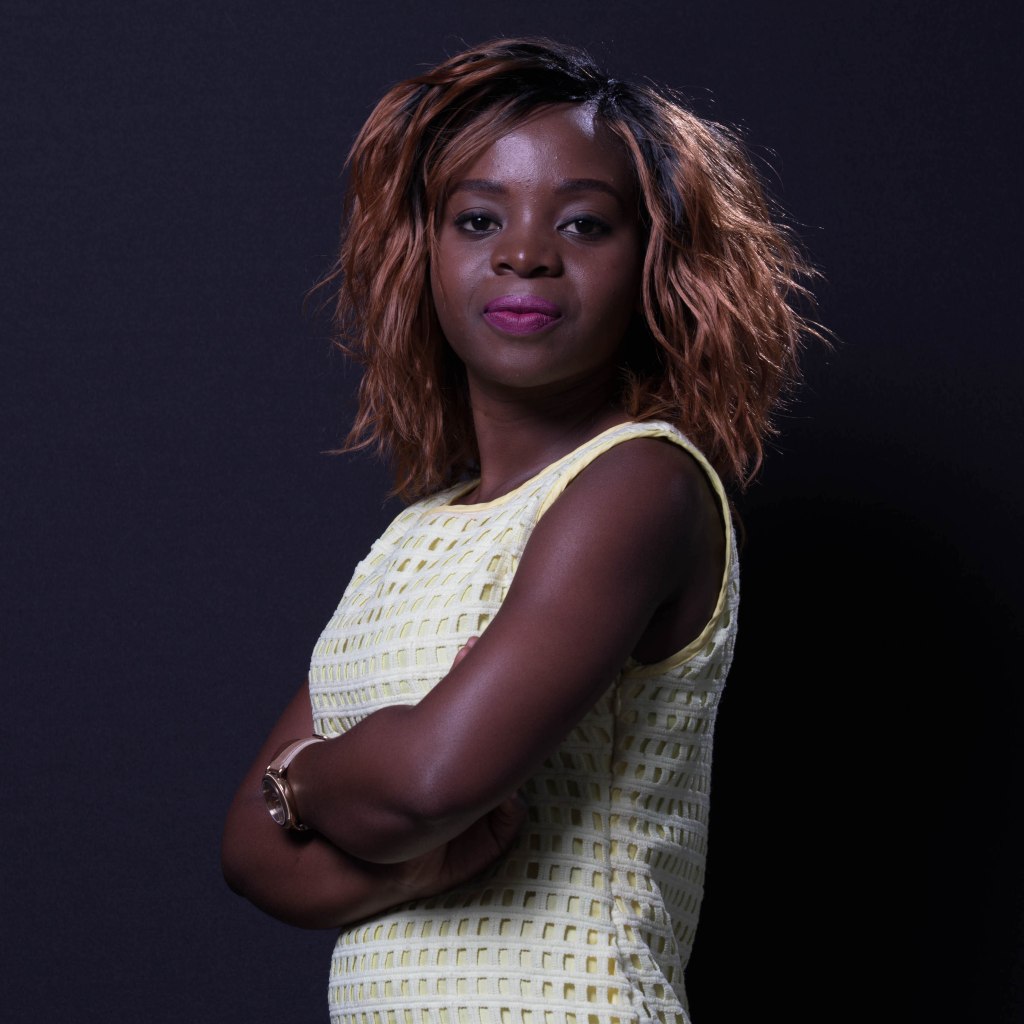
Rebecca Kabuo, 25 Years Old, Democratic Republic of the Congo
Rebecca Kabuo, one of my personal favourites from the panel if I can say that, is a Congolese activist working for LUCHA (Lutte pour le changement) that calls for the respect of human rights, and laws in the DRC. LUCHA focus on non-violence and pursuing a peaceful society by dialogue and support for communities. She was imprisoned for her efforts, and was described on social networks as the youngest prisoner of conscious in the world. Because of her work, people see peace as a viable alternative to the conflict which has grown deep roots in the DRC. You can learn more about LUCHA here.
Those were the panel members today that we were all honoured to hear and learn from. The question that must always remain is what we can do. All of us. Mobilising towards the achievement of humanitarian efforts so we can build a dream world where peace is prevalent, and the rights of all are respected, with a stable environment so we don’t have to worry about the needs of future children.
Ronen Gilor, the Israeli ambassador wished Myanmar “Good luck” before Myanmar’s trial at the International Court of Justice. “Good Luck.” “Good Luck” getting away with crimes against humanity. “Good Luck” getting away without serious penalty for committing genocide. “Good luck” for defending a military campaign that saw human beings be raped, killed and set on fire. The tweets were sincere. Later they were acknowledged as a mistake by Israel’s Foreign Ministry, and the country reaffirmed its condemnation of the atrocities committed in Myanmar. These are our leaders in the Global 21st Century. These individuals shape our world, and are largely entrusted by us as citizens. I am lost for words mostly. How can anyone wish anyone good luck to get away with an act as evil as that. Crimes against ethnic minorities are becoming standard practices. As long as there’s always someone else to blame, then those responsible for mistakes can keep making them. The world needs to look back at the atrocities of the recent past, and reaffirm to never see them again. It’s wishful thinking at best, but reflection might be the best way at avoiding these crisis in the future. For when we acknowledge a mistake, do we not undo its power by learning from it. For then we have not a mistake but a lesson. That’s not any excuse for any crime of that nature, but instead it’s a challenge for us as citizens to recognise the tension and the blame before the horrors that unfolded in the last century. So that we can understand not to fall for the kind of rhetoric that dehumanises human beings, that puts the blame on a group’s shoulders. We’re better than that, and we need solutions not leaders who shuffle round the blame like people are a deck of cards.
I think that in today’s society we have a responsibility to not confirm something as true automatically, we live in what is referred to as the age of ‘post-truth’ politics. Misinformation is everywhere and it is hurting our democracies. Politics is an ugly game, when it shouldn’t be, it should be about focusing on solving problems, but what is often happening is that problems are being deliberately created. I’ll use Myanmar as a reference point again, as most of my research is heavily concentrated on ‘The Golden Land.’ With reference to the Rohingya genocide in Rakhine it looks increasingly clear that it was deliberate. That it wasn’t just mutual distrust and anger that blew up into something uncontrollable. It was controllable, and it was deliberate. So many supporters flock to the parties and the leaders that are actively pursuing the solutions to the problems so many people care about. But we have to view it as an active responsibility of the citizen, to understand why the problem exists, and what factors perpetuate it. Because in reality a lot of the problems that have been created, are designed to maintain and increase power. Author of ‘The Rohingyas, Inside Myanmar’s Hidden Genocide,” Azeem Ibrahim illustrates this point perfectly; “There is emerging evidence that the old military regime funded and supported one major faction among the extremists to foster unrest.” To try and make this point clear, I’ll break it down. The problem is the unrest, and the solution to that unrest is the military. Only behind the curtains of the political play, the military are facilitating that unrest, so that they will always be relevant, always a necessary part of the political order to maintain ‘stability.’ This is the problem of our world. Powerful people and groups create problems. They pose themselves as the solutions, and that’s how they maintain their relevance and power. It’s a dirty game. It’s disgusting, dishonourable, but it’s reality. A lot of Brexit – supporting conservatives blamed the problems of the NHS on an incorrect figure that goes to the EU, which could instead go to the NHS. Yet the conservative party are the ones who are dismantling our NHS, and are the partial root cause of our NHS crisis in the country. The EU served as a useful scapegoat for dishonourable politicians, whose priorities are power over service. The problems we face today, are of a scale unimaginable to yesterday, that’s because we lose sight of truth every day that lie gets repeated after lie. The only way we can solve problems is with truth, and the only way we can know truth is by being honest with ourselves and others. For when we lie to one another, we blur the realms of lies and truths. Unable to find truth is when we sink, because if we can’t ever find the root cause of the problem, we will never be able to solve it.
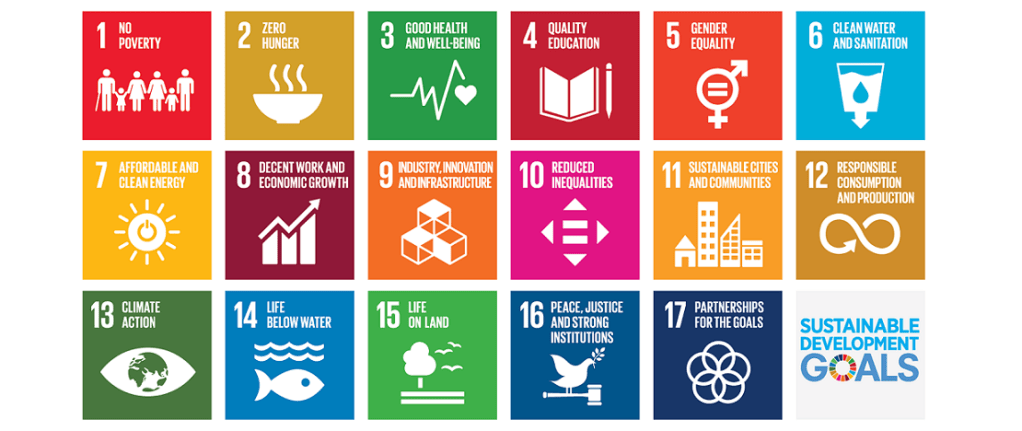
When we look down on our screens, we see the forest fires. When we turn on our TV’s we see the conflict. When we listen to the passionate activists we hear about the poverty. It’s so easy to be disheartened when we see the world around us, entrenched in problems. It’s why the clubs are so convenient, the alcohol so appealing, the Netflix binge so comforting. When we the youth look at the world, it can be easy to see how we are forever at the mercy of those in power. Those that can listen to our plea, and have the power to do something about. It’s uninspiring, the way so many handle power. And let’s face the reality of the world, that a lot of those who handle power, handle it to grow and maintain their power. Not to solve problems, which is how it should be. So we’re confronted with a bleak landscape where power is concentrated in the hands of those that show no sign of wielding it responsibly. But of course it’s not all doom and glow, for every dangerous problem gets met by a courageous act to usher in hope. Such as Greta Thunberg, whose Friday school strikes inspired a global movement to speak truth to power. I think of all the things the youth should be proud of today, it’s that we are actually the best hope we have. We’re the passionate, the ones that care. We’re the ones who have urged changed and acted on an individual level; I know so many people my age who are doing the little things to help ease the pressure that our consumer society forces on the environment. So many young ideas, to help ease the pressure. All acts that should be encouraged, but are sometimes met by the critics whose life purpose seems to be calling everyone out for not doing more. If you use a metal straw and yet still drive, you’re not doing enough. If you’re recycling and take a holiday by plane, you’re not doing enough. This is a problem within itself. We cannot expect perfection from anyone, but we should aim for perfection for ourselves. It is unreasonable to expect everyone to be doing absolutely everything to solve the climate crisis. We are all constrained to modern day life, which itself has been sustained on over-extraction and consumption. Hindering our ability to do more, by being a part of the system at fault. In any case, there’s one collective way forward out of problems. A campaign that crosses all national borders, enabling us to perfect the system we have so that it is not itself detrimental to our survival. Envisioned by the United Nations, and adopted by the 193 member states the Sustainable Development Goals (or the Global Goals) present a pathway forward towards a sustainable future. The 17 goals that make up the agenda target the problems that are causing inequalities, that are damaging the environment and are hindering any possibility of a peaceful future. Developing initiatives and pursuing efforts that realise the goals of the SDG agenda is the best way we have out of current situation. Holding our governments to account on the implementation of the SDGs is another avenue that needs to be actively pursued; they have already agreed to its adoption. The biggest problem that I myself put into this text was that we are the mercy of those in power do to something about this mess. My friends, we are the masters of ourselves, we have the power. That kind of power can be seen kindling in the ideals of the small when going up against the big. It’s an inspiring kind of power that calls forth all us to be better, and to do more. That’s where our power resides.
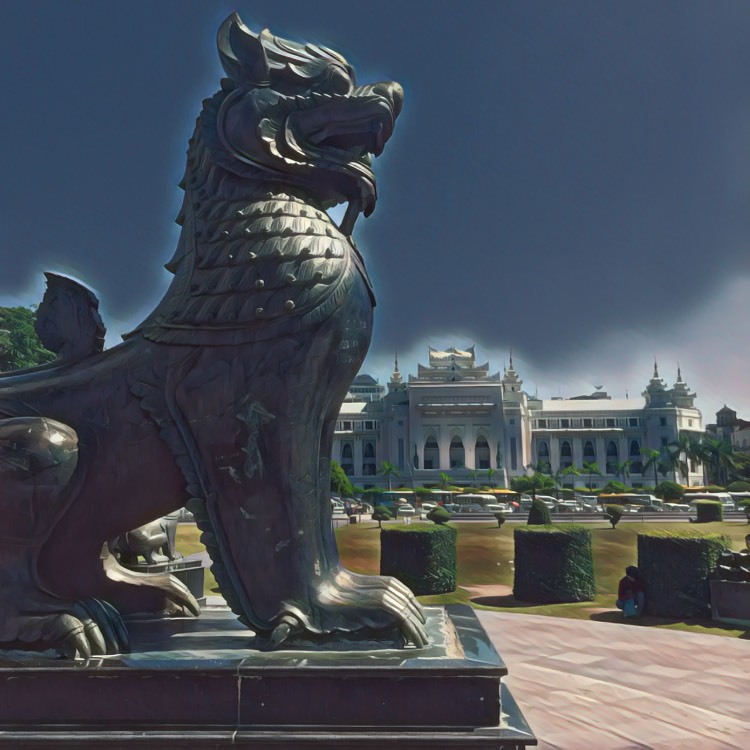
The Burmese Chinthe, a mythical lion-like creature that protects pagodas and riches, and will bring you good luck to increase those riches.
Whether it’s Myanmar, or outside in other corners of the world, one thing that always undermines the chances of a prosperous peace are human rights violations. When Governments, or militaries violate the rights of human beings, they perpetuate the notion that some peoples are ‘lower'(second-class), and some are ‘higher'(first-class). Such inequality between human beings will inevitably lead to conflict. Those that class themselves as ‘higher’, i.e. that their status is better, their characteristics are better etc., will feel the need to maintain that status by preying on those that are weaker. Those that can be deemed ‘lower’ in a society will suffer from the ‘higher’ who help maintain that human beings should be divided into a rankings based system, addressing an inferiority complex as they beat others down to feel superior. This does not create peace. Peace can only be achieved by harmonising groups that have previously been at a state of dissonance. Every time the central government in Myanmar commits human rights atrocities, it embeds further the dissonance between the groups it would eventually like to make peace with. If the central government are serious about national reconciliation they need to approach any conflict with the upmost respect for basic human rights. If there is a situation which requires the use of force, force is best carried out when it is restrained. In 2016 and 2017, when the violence broke out in Rakhine, there was no restraint. And now international legal challenges, negative economic impacts, and activist campaigns have brought down a damning hammer on Myanmar’s status on the world stage. What’s interesting is noting just how little has been done to repatriate the Rohingya and allow them to return with both the guarantees of citizenship and safety. When these events happen, they undermine trust significantly, and this distrust flows through the relationships of all parties to the conflict. Recommitting to respecting human rights is the first step towards resurfacing efforts for peace, but words can’t do it alone, action needs to be taken. Now around the world calls for justice are being made, and the International Criminal Court have moved further into their investigation. I often wonder if there’s any hope of justice for the victims or the ‘lower’ in Myanmar’s society, they do deserve it. Myanmar’s refusal to acknowledge wrongdoing will only make the situation worse, they need to start making concessions to blunt the worse impacts that these atrocities have cost them. Making a firm commitment to upholding human rights, and addressing the lack of respect around human rights, housed in the minds of the Burmese soldiers is a step in the right direction. But when doing wrong in this world, it is always best to start off with an apology.
It’s been a war waging for over 70 years. It’s been a problem that has perpetuated for such a long period of time that it looks impossible to solve. And yet it could be. Within Myanmar, the various power players seek to address the impossible. Knowing that whoever solves it, receives an unimaginable amount of credit. That credit and recognition would help decide the winners and losers of the hearts of a peoples that for so long have wanted peace. Peace protests have become a normal sight for me on my travels to Myanmar. Ceasefire after ceasefire, new arrangements after new arrangements. But the reality in the problem, is the problem solvers themselves. The relationships between the military, the government, and the ethnic armed organizations (EAOs) have a long history of distrust, human rights violations, and grievances. How can you problem solve, when the other side in negotiations is a long time enemy and one that has continuously perpetuated human rights violations and atrocities against one’s own. Finding the common ground seems always to be the key to building a positive relationship, finding this common ground for the players in Myanmar’s game seems to be an insurmountable challenge. Made forever more insurmountable because every player is out to win. Which I guess would be the most simplistic and understandable aim when waging war. Compromises after compromises, how much ground to give away, and how much to keep. Focusing on the common ground is always the right step forward. For one ethnic group does not suffer alone, far better it would be for neither group to suffer and instead to build a lasting peace. Very idealistic I know. But in terms of repairing damaged relationships between ethnic armed organisations and the central government, there needs to be a marriage counsellor. One organisation with the right connotations that can play the leading part and facilitate negotiations. Impartial of course, but with the predominant role. The marriage counsellor (the organisation) doesn’t need to be the one to take the credit, we all know how secret the process of negotiations are. A lot can be achieved behind closed doors, saving face for the players involved. But that requires already a major concession on the government’s part, and its not that third party mediators are not already involved in the observation group. But the third party that both of the main actors can trust, needs to be in the leadership seat. Of course I could also be wrong about my perspective. But I guess that’s what we all face when pushing ideas out there. And why not trust yourself enough to push out ideas. Is there a magic formula? There has to be one out there somewhere, we probably just haven’t found it. For every human problem there is a human solution. If we can create problems, we can solve them. This problem really needs one hell of a focus, backed by the international community, because the people of Myanmar deserve it. They deserve their peace, they haven’t had it for over 70 years. They are the most deserving of it. The most compassionate people you’ll ever meet, abandoned by their leaders, and forgotten by the world. The world works through reciprocal action, if leaders abandon their people, their people will abandon their leaders. If the world forgets a peoples, suffering through genocide and mass atrocities, that same world that forgot those peoples, will in turn be forgotten. “Injustice anywhere is a threat to justice everywhere – Martin Luther King.” For there is little chances of peace, without justice, for justice has the power to heal old wounds and move communities forward towards a future together.
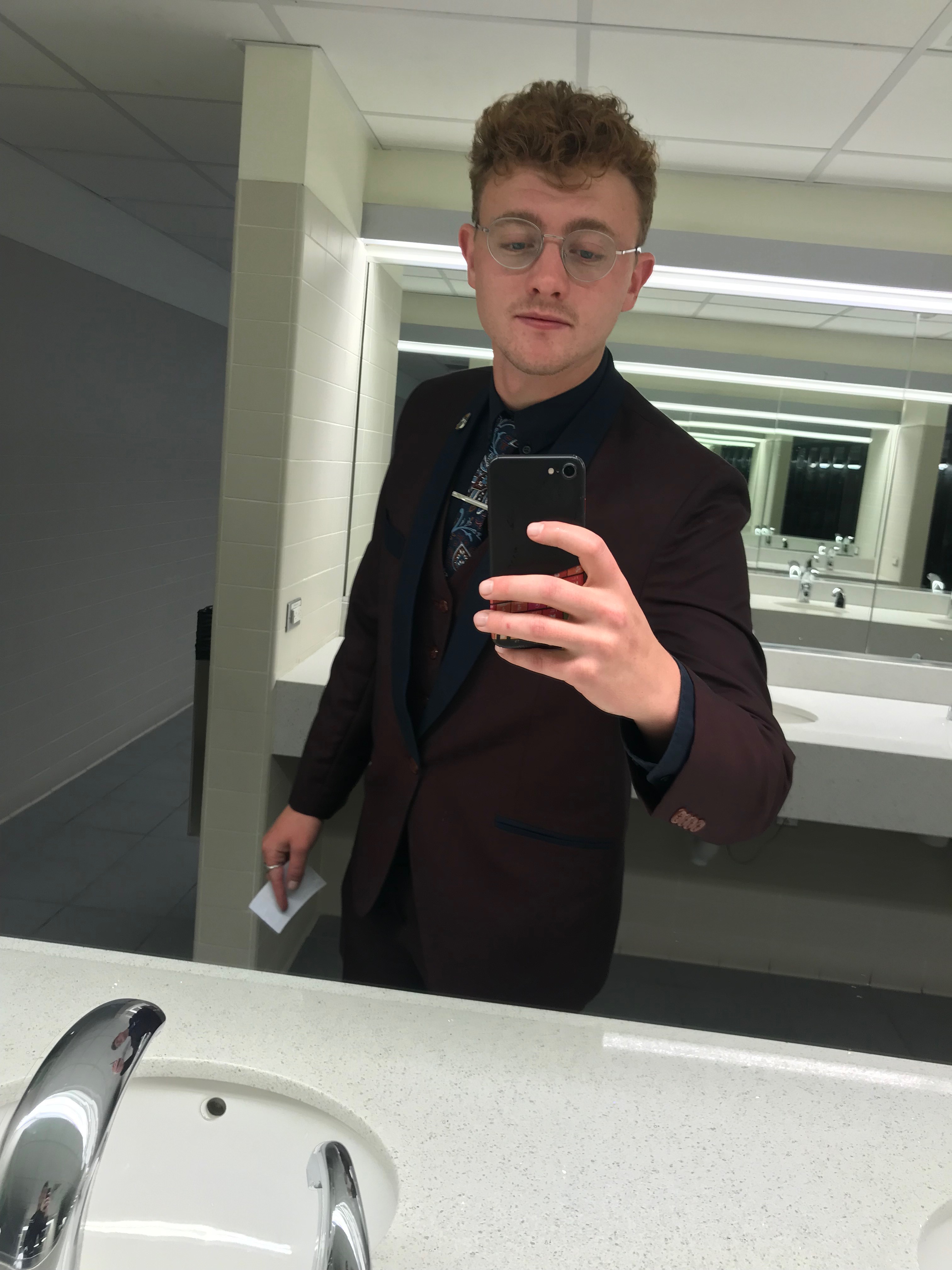
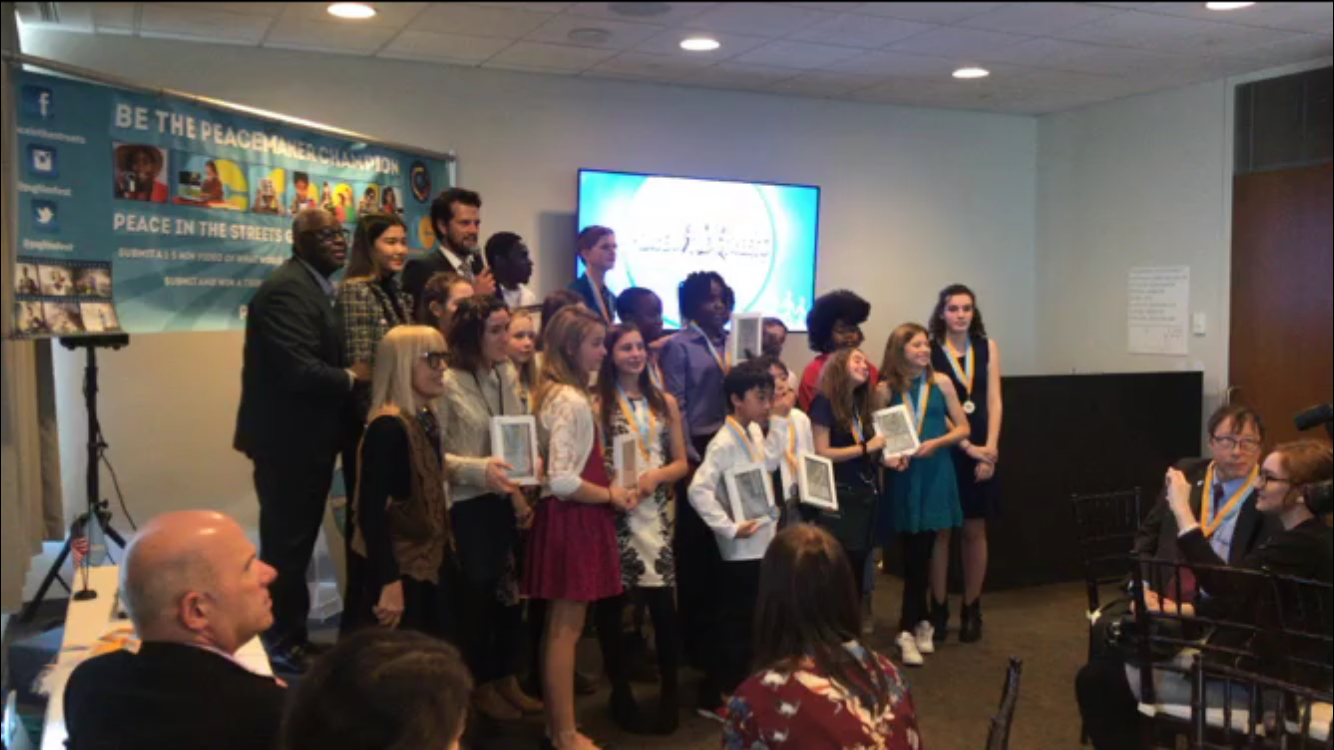
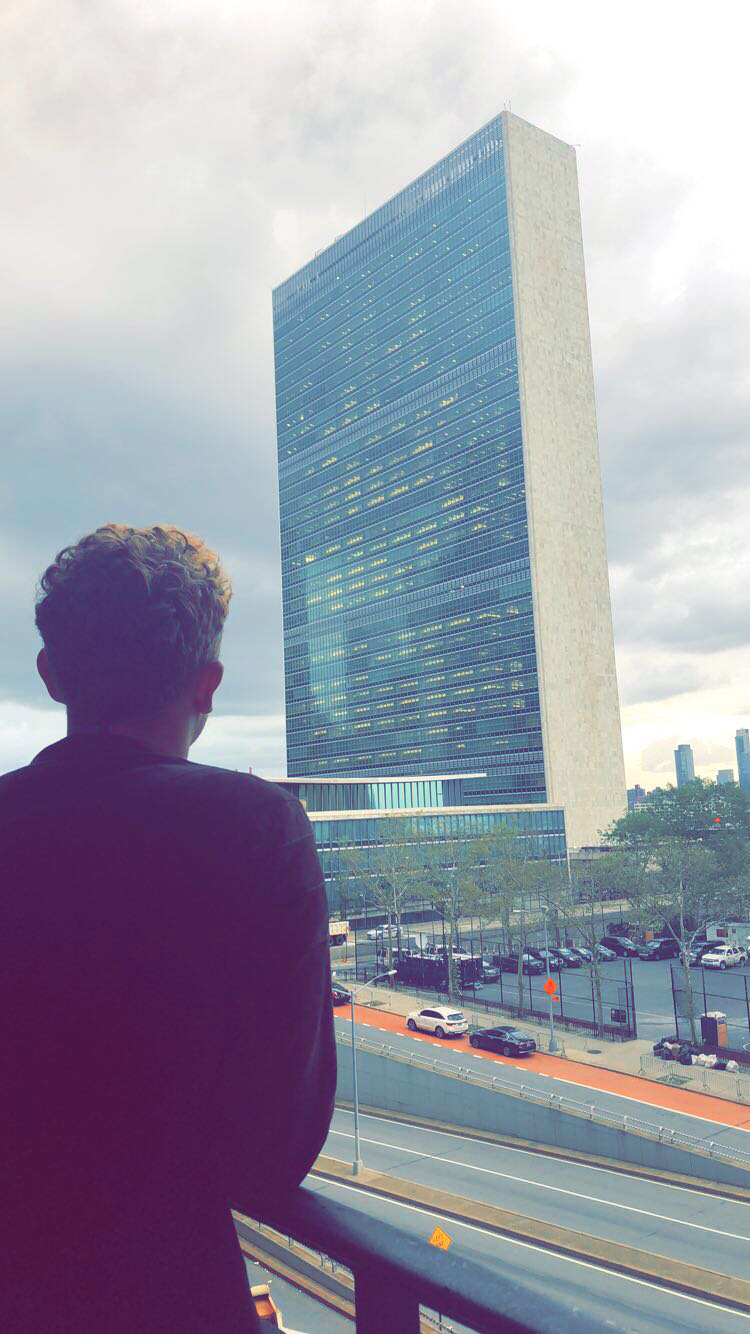
This post follows on from my post Withholding Judgment after I almost got mugged on the streets of NYC before my day at the United Nations; my home away from home, a place where all nationalities belong, and none are turned away. I had been fortunate enough to meet the Executive Director of the Peacemaker Corps Association at a free climate week event in September. I was aware of the UN General Assembly meeting, and I knew it would give me a good opportunity to network and get the tips I need to one day land the dream job at the United Nations. The dream was so alive. I’m also so indebted to my good Canadian friend and his son for taking the time out of their week to drive over the border to New York City so that I could pursue my dream, it’s times like these that I think about how lucky I am to have so much support for me reaching my goals. Anyway, I had been invited to the Peace in the Streets Global Film Festival by the Executive Director. She is a really kind woman, very welcoming and eager to share the good work of the Peacemaker Corps. It is this NGO that welcomes the young into the conversation for peace. The young have an important place in this conversation, the global youth have the idealism to build a more peaceful place, had they been given the chance to share their perspectives. More often than not, the young are stigmatised in these matters,’ their idealism, written off as unrealistic, and they are pushed out of the conversation because they ‘don’t understand how the world works.’ It’s a terrible infliction, the passion and the idealism of our global youth is exactly the cure our societies need right now. We need dreamers to escape the nightmares of today. I applaud the efforts of the Peacemaker Corps Association for involving the youth in the conversation of peace, it is after all their future too. The film festival was happening in the delegates dining room, I had my ticket and after changing into my suit at a coffee shop in downtown Manhattan, I was ready. The sun was out, my serotonin levels were at an all time high. I was ready to go and speak to UN officials, and hear the stories of youth from around the world. The delegates dining room overlooked the East river, the glistening water mirrored the clear blue sky, as if all the heavens were out today to bare witness to the important stories of the injustices people face in their societies. The winners of the contest had their videos displayed at the front, and topics ranged from the labels used by bullies, to war and human rights violations. Every participant gave a perspective, and captured that perspective like magic on a digital device so that it could be shared. It is always reassuring to see the peace not being taken for granted. It is always ever so fragile in a nuclear world. In some corners of the world it’s like voters actively ask for it, they want to prove to the world that their country is the greatest, that it can win wars, but the reality is no one wins in war. You win the war with others by overcoming the need to prove yourself to others. Then you realise, some people are really just at war with themselves, but they dare not admit imperfection, and would rather use that warmongering feeling to be at war with others. That’s the only war that needs to be waged, the one on the worst parts of ourselves; the selfish, the greedy, the unprincipled, the lying, the discompassionate; parts of ourselves. It is war that can be only waged on ourselves and by ourselves. The short film screenings were preceded by a number of high-profile speakers, my favourite was Ambassador Anwarul Chowdhury. He was a humble and principled man, whose career saw him fight for the increased participation of women in peace and security matters. A male voice that recognised the potential of the female voice in peacekeeping, and who fought for that voice. Before the event was underway, I approached him to speak to him about peace, and my perspective on Myanmar. He listened. Nothing was more respectable than that, for like I said previously, often the voice of the young is shouted over, and as a member of the youth of the world, it feels like we are forever at the mercy of those older than us to hear our plea, and to take our future seriously. That’s what made this event the happiest day of my life. Something so small, and yet it moved me so much that a high level official at the institution of peace and love listened. After the event, the feeling of being on this path towards my dream, and being able to maintain a conversation with someone so knowledgeable on matters of peace, made me realise how far I’d already come. That I was getting there, preparing for my service. I travelled to Grand Central Station to seek out a cubicle in a restroom to relieve myself of tears. Not of sadness, but the opposite. If I could relive that moment, of crying tears of happiness every day, I would. Crying is seen commonly as an ‘unmanly’ trait these days, it’s sad that we’ve turned our back on human nature, for what a blessing it is to feel so much. But I’d do it everyday if I could. After the events, I turned into a bar to get myself a pint, celebrating a day like none other, before making the bus journey back to Canada. There’s nothing more I want in this world than to keep on dreaming, it is a level of emotion that makes life so meaningful. Please, if you have a dream, never let it go.
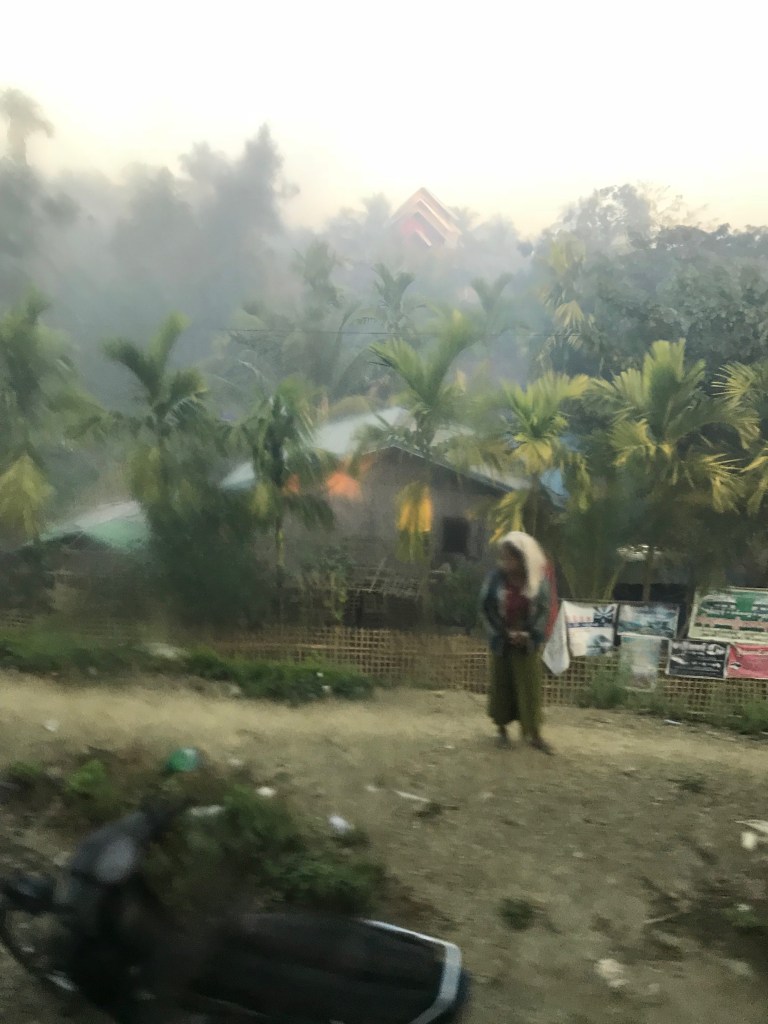
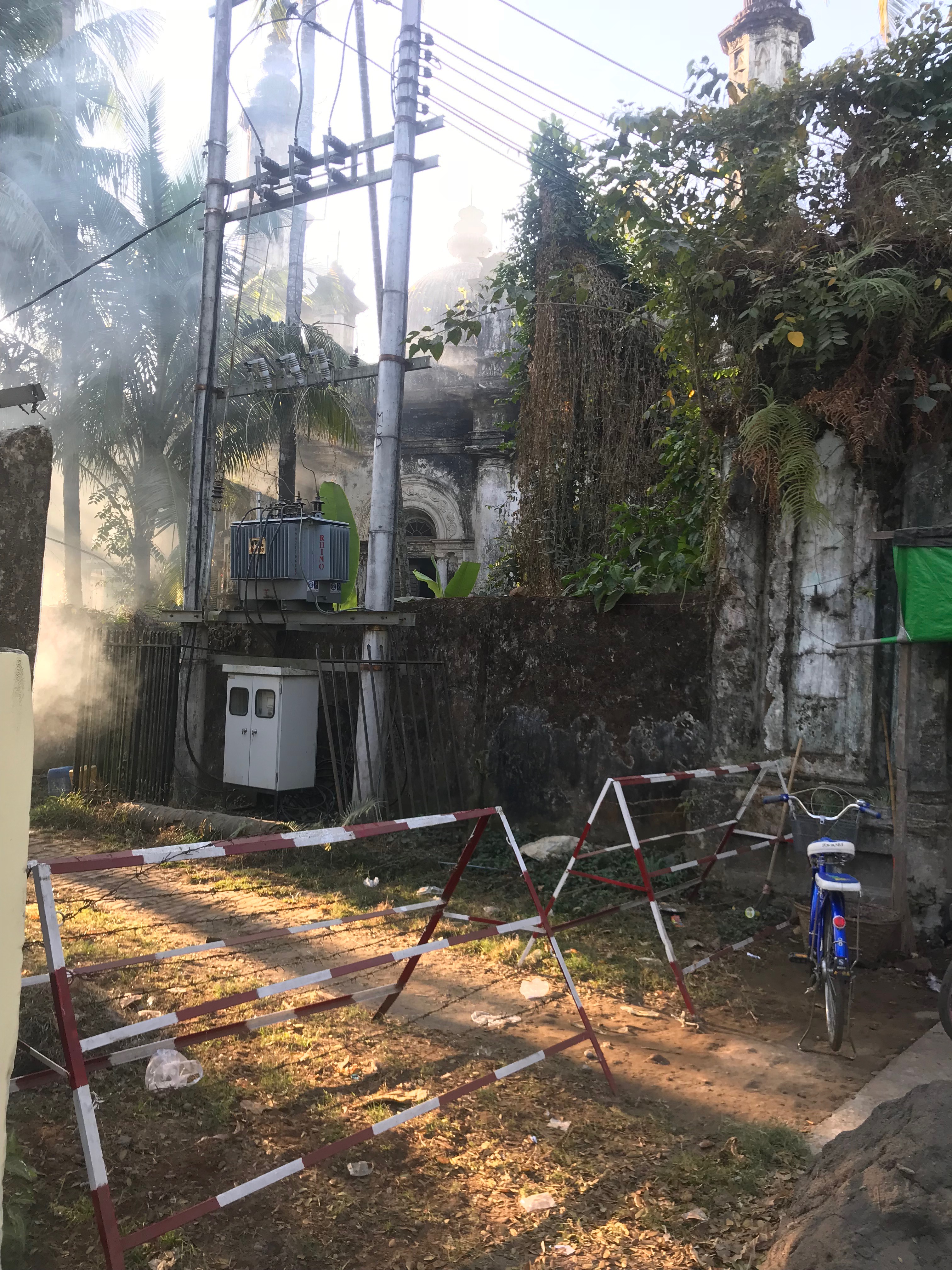
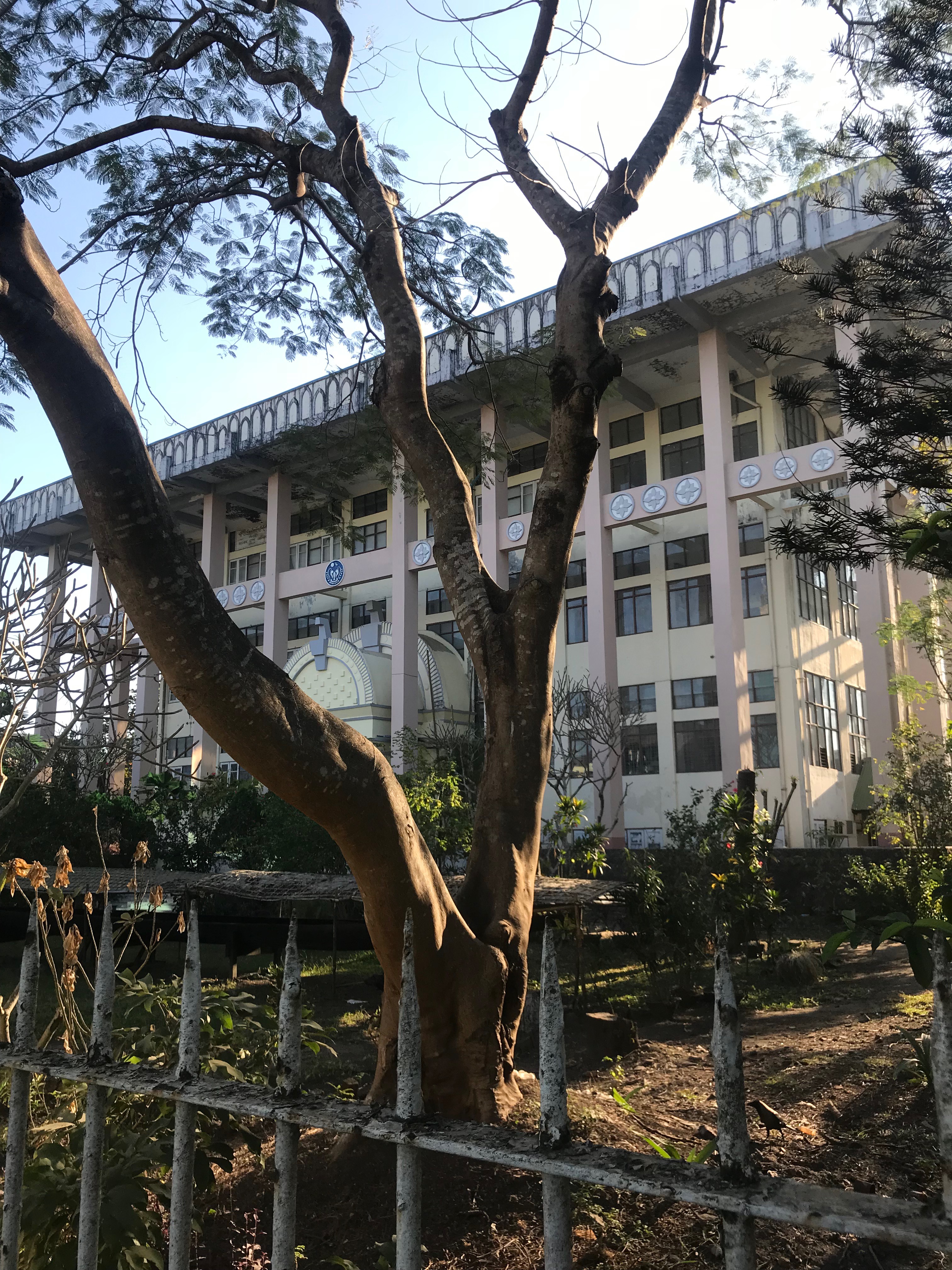
Of my five trips to Myanmar, formerly known as Burma, I’ve been lucky enough to visit the infamous Rakhine State. It’s infamous because it is rife with troubles, genocide being the most visible trouble that has hurt its people dearly. What has happened in Rakhine has created global headlines in recent years, and the violence unfortunately hasn’t transformed into peace. The first time I visited I took a bus to Mrauk-U. Mrauk-U has a rich historical and cultural appeal, the old pagodas offer a glimpse into the old kingdom of Mrauk-U. But for me personally, it was far more interesting because it attracted very few tourists, and had only recently become a place for tourists to visit. Further still, it was situated in Rakhine State, and I was curious. Curious about the situation for the world’s most persecuted minority; the Rohingya. Rakhine, or Arakan State is the home of the Rohingya, although it’s a sorry state for a home. The Rohingya are regarded as stateless, they have no official citizenship, they are restricted from travel, voting, and even living. It has become a crime over recent decades to be born a member of this group in Myanmar. When I visited the archeological site in Mrauk U, across the paddy fields, and past the rolling hills on the horizon, I just remember smoke. I cannot say for certain what the smoke was, it could have been a deliberate fire to keep snakes and jungle critters away from crops, or it could have been something worse. Something that we know has happened in Rakhine. The Tatmadaw (Myanmar’s military) have burned down entire villages, raped women and girls, and put to slaughter innocent human beings just because their differences could be exploited to serve as a scapegoat for problems within the country. I’ll never know what it was that I saw, I hope it was just a farming technique, but I can’t ever escape from the possibility it wasn’t. That was in early 2017, and against, perhaps, my better judgement I decided to go further into Rakhine at the beginning of this year. The British Foreign Office Travel Advice recommended against all travel to Rakhine, there was now intense fighting between the Tatmadaw and an ethnic armed organisation; The Arakan Army. But I went anyway, I wanted to understand things properly, without the bias of the media, and a narrative that distorts truth. It was a long 24 hours on a bus to get there, frequent stops before we arrived at Rakhine’s capital city, Sittwe, offered a nice chance for me to compose my thoughts with a leaf wrapped cheroot cigar. It cleared my mind, I have taken risks abroad but not like this before. Not to a city surrounded by war, and entrenched in communal violence that has made international headlines. People ask me why I’ve taken risks like that, it’s not really a choice, for when is love ever really a choice. I feel like I have a sincere debt to Myanmar and its people, for the hospitality they’ve shown me throughout my travels. They’ve given me a reason to hope about the world, that they can suffer greatly, and yet still find meaning in this world to pursue, carrying on with the brightest of smiles. I hope I can work for them one day, as an international civil servant in the United Nations. When I finally arrived in Sittwe, 24 hours after setting off from Yangon, there was an uneasy tension. The people were carrying on with their daily lives, but you could never forget where you were, I’ve never seen so many soldiers. There I was, wondering around alone on the streets viewing the most fragile peace I’ve ever experienced in my life. Anything could break out at a moment’s notice, and I was actively searching up the regional headlines, seeing where the recent skirmishes had been reported. Along the main street was Sittwe’s main mosque, it was decaying. No one was allowed inside, road blocks and armed police guarded the mosque, and this had been the way for a while. Most of the Rohingya were already gone, ‘sheltered’ in a refugee camp in Bangladesh. While some remain, their situation remains fragile, anything could still happen, and the government still continues to be heartless. Which upon looking at the governments of the world seems to be endemic. It was impossible not to feel how powerless the compassionate were, at this moment in time, love is in ruins. I was out of Sittwe after only two days, best not to tempt fate. I was very lucky, there was a skirmish on the Yangon-Sittwe highway two days after my bus made the trip back to Yangon. Landmines went off on the same route within the space of two weeks after I left. I was lucky. What’s striking is that I was always met with the same compassion that I’d known all around Myanmar, it’s just a shame not all peoples are welcomed with it. I sincerely hope, that while some of the religious sites of the persecuted minorities in Myanmar are restricted, that they can still find their god, and their god will show them the love and the mercy they deserve, because they won’t get it from the government.
Is this your new site? Log in to activate admin features and dismiss this message